


-1500x1500h.jpeg-36x36.webp)



-1500x1500h.jpeg-240x180w.webp)



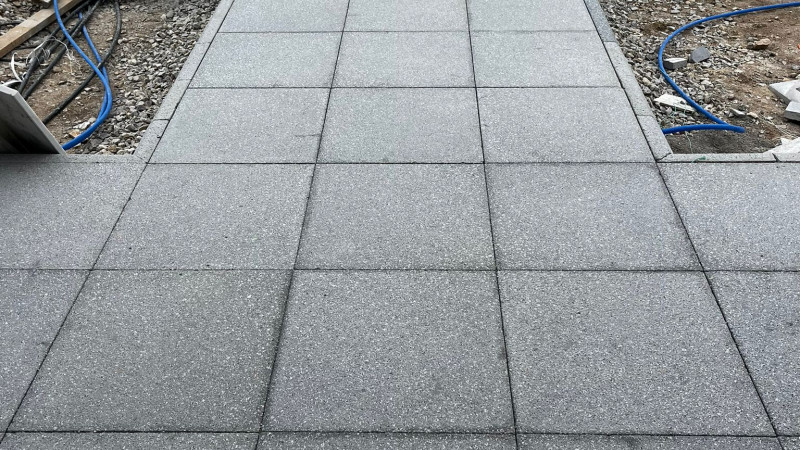
paving flags guide: aesthetics, durability & installation engineering
A professional analysis of modern paving flag solutions, focusing on material science, engineering specifications, and long-term project performance.

1. Engineering Beyond Aesthetics: Key Performance Factors
In exterior paving projects, the material life cycle cost is directly determined by its engineering specifications, not its surface pattern. At MT Altas Construction, our technical assessments focus on the following parameters:
Compressive Strength (Concrete Class)
While C30/37 is the industry standard for general paving, MT Altas Construction recommends C40/50 concrete for high-traffic or commercial areas to ensure structural longevity.
Slip Resistance (R Rating)
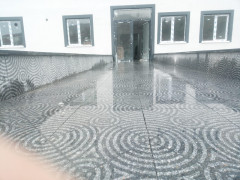
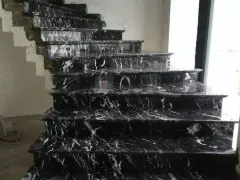
For public safety in rain-prone regions, an R10 or R11 rating (achieved via exposed aggregate or sandblasted finishes) is critical. Polished surfaces should be avoided for exterior use.
Freeze-Thaw Resistance (F-C Rating)
Paving flags with low water absorption (<5%) are essential to prevent micro-cracking and eventual failure during freeze-thaw cycles.
2. Selecting the Material: Pressed Concrete vs. Exposed Aggregate (Wash Beton)
Your project’s functional requirements determine the ideal paving flag. Here is a technical comparison:
| Criterion | Pressed Concrete Flags | Exposed Aggregate (Wash Beton) |
|---|---|---|
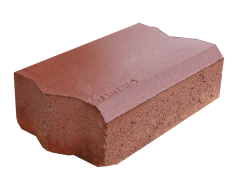
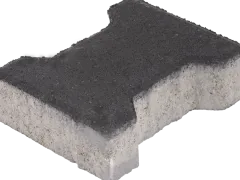
| Aesthetic Duality | Smooth, modern, versatile patterns | Textured, natural stone finish |
| Slip Resistance | Moderate (Requires sandblasting/texturing) | High (Inherent natural texture) |
| Abrasion Resistance | High (Depends on concrete class) | Very High (Natural stone exposure) |
3. Pro-Tips: Avoiding the Top 3 Installation Pitfalls
Material quality alone cannot ensure project success. MT Altas Construction highlights the most common failures observed in the field:
- Incorrect Sand Bedding: The sand layer beneath the flags must be pre-compacted (not just struck off) to prevent future settling or "tilting" under load.
- Insufficient Grouting (Jointing): Failure to completely fill the joints with fine sand or polymer jointing sand leaves the flags vulnerable to water penetration and subsequent frost damage.
- Ignoring Surface Drainage: To prevent slip hazards and material degradation, a minimum surface gradient of 1:60 (1.67%) is mandatory.
Frequently Asked Questions (FAQ)
Q: Can paving flags withstand vehicle traffic?
A: Yes, provided the thickness is appropriate. For light-vehicle traffic (driveways), a minimum thickness of 60mm or 80mm is required. 30mm or 40mm flags are suitable for pedestrian use only.
Q: Do paving flags require maintenance?
A: Paving flags are low-maintenance. Regular pressure washing is sufficient. However, natural stone-aggregate (Wash Beton) can be sealed to prevent staining, while concrete flags are more stain-resistant naturally.
Leave a comment