


-1500x1500h.jpeg-36x36.webp)



-1500x1500h.jpeg-240x180w.webp)



Global English Project Guide · Outdoor Paving Tile Installation · Ankara Türkiye
Ankara Bağlıca Şeker İnşaat Paving Tile Installation: Technical Field Guide for Durable Outdoor Surfaces
This English version is not a direct translation of the Turkish page. It is written as an original global traffic landing article for users searching for concrete paving tile installation, exterior hardscape construction, pedestrian paving, garden walkway surfacing and residential outdoor floor solutions in Ankara, Türkiye.
The guide explains the Bağlıca project through site preparation, level control, joint alignment, edge cutting, compaction, cleaning, maintenance, technical dimensions, pallet planning and quotation scope. It keeps the local project identity while using international SEO terms such as outdoor paving slabs, concrete pavers, landscape hardscape, surface drainage, quantity takeoff and exterior flooring.
Premium Technical Overview for Global Paving Tile Search Intent
This added premium SVG section strengthens the English page with visual technical context for global visitors searching for paving tile installation, hardscape construction, exterior flooring, concrete paver base preparation, joint spacing, drainage and quantity takeoff.
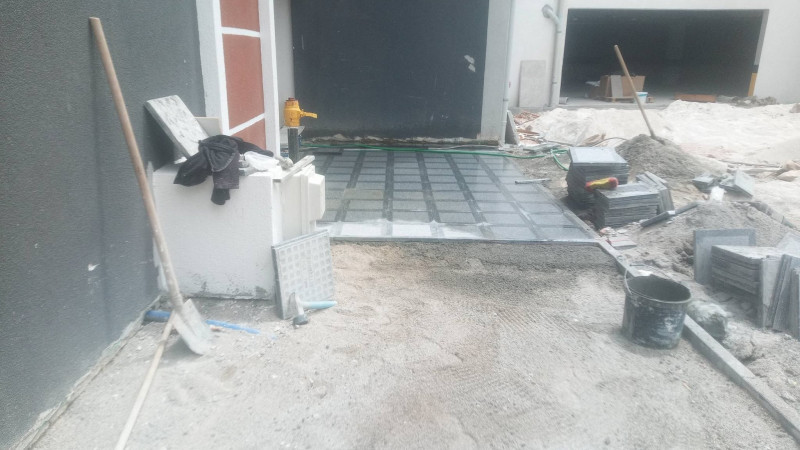
Site Assessment and Base Preparation for Outdoor Paving Tiles in Ankara Bağlıca
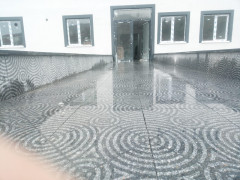
Every durable paved surface starts with a controlled base. In the Ankara Bağlıca Şeker İnşaat field, the installation area is prepared before the visible paving tiles are placed. The crew checks the existing ground, building entrance level, wall line, water flow direction and the first tile row so the finished surface does not develop uneven joints or standing water.
Ground review before paving
Before the first paving tile is installed, the site is reviewed for slope, bearing surface, access points and connection lines. This helps the installer decide how the surface will meet building entrances, garden edges and pedestrian routes.
Bedding layer preparation
The sand or mortar bedding layer creates a stable seat for the tiles. If the bedding is loose, uneven or too rigid in isolated points, the surface may develop settlement and height differences over time.
First row alignment
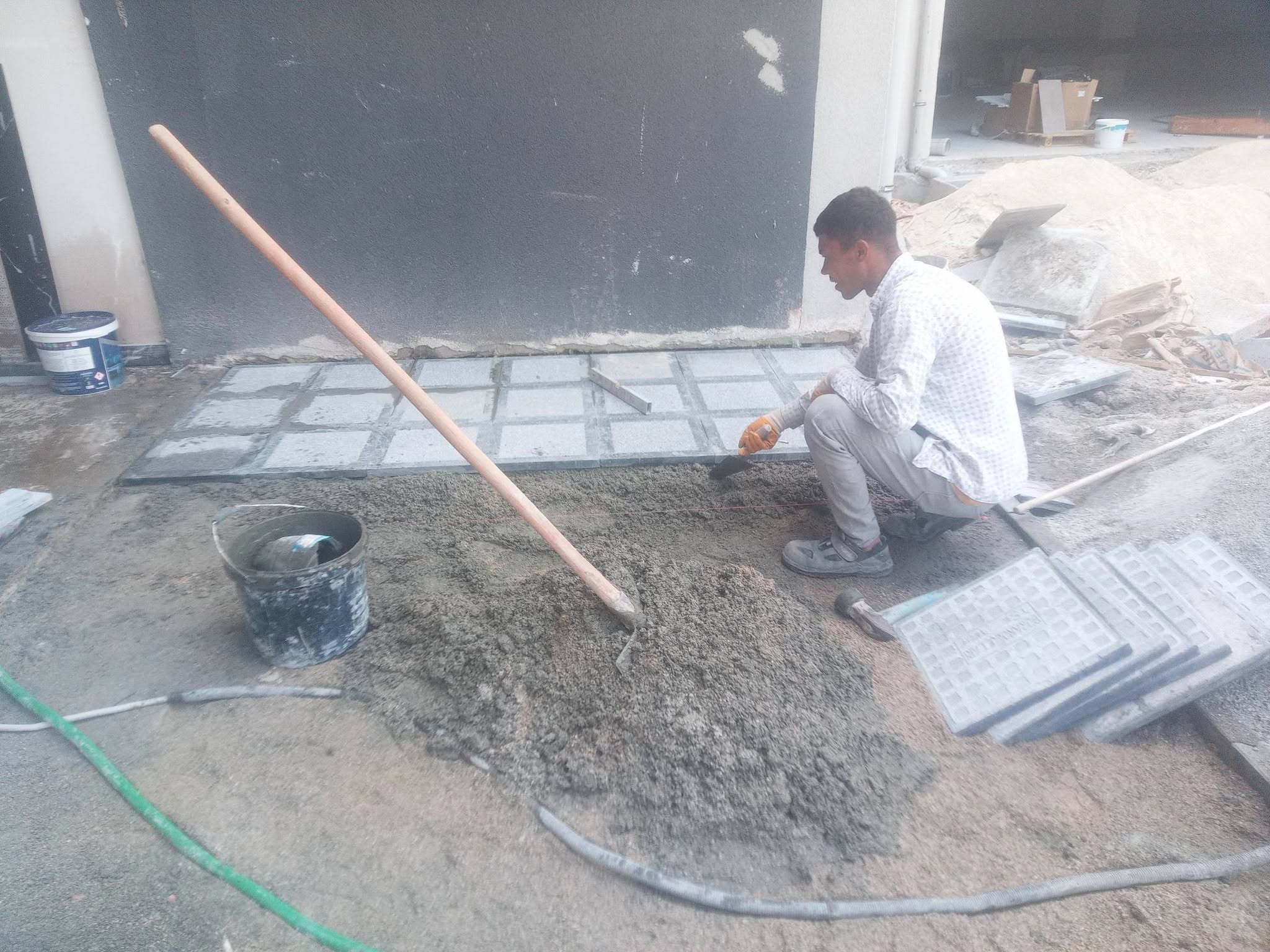
The first tile row is the reference line for the entire installation. A clean starting line improves the pattern rhythm, joint consistency and edge finish across the project area.
Pattern Alignment, Joint Spacing and Surface Level Control
After the base is prepared, the installation quality depends on pattern control, joint spacing and surface level. The paving tiles should not simply be placed side by side; each row must follow the reference line, stay visually balanced and preserve a walkable level surface.
Reference line for paving
A minor shift in the starting line can become a visible diagonal error across a larger field. The installation line must therefore be checked against walls, kerbs, entrance zones and pedestrian movement.
Joint consistency
Balanced joints create a cleaner surface appearance and help the pavers work together as one field. Uneven joint gaps reduce the professional look of a finished outdoor paving system.
Surface comfort
High or low tiles can reduce walking comfort and may collect water. Level checks during installation reduce settlement risk and support long-term performance.
Related Paving Tile Models and Application Pages
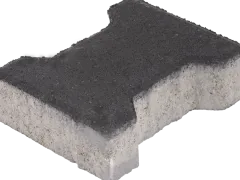
For global visitors comparing outdoor paving finishes, the following MT Altaş İnşaat product and category pages help connect this field project with available tile patterns, dimensions and application examples.
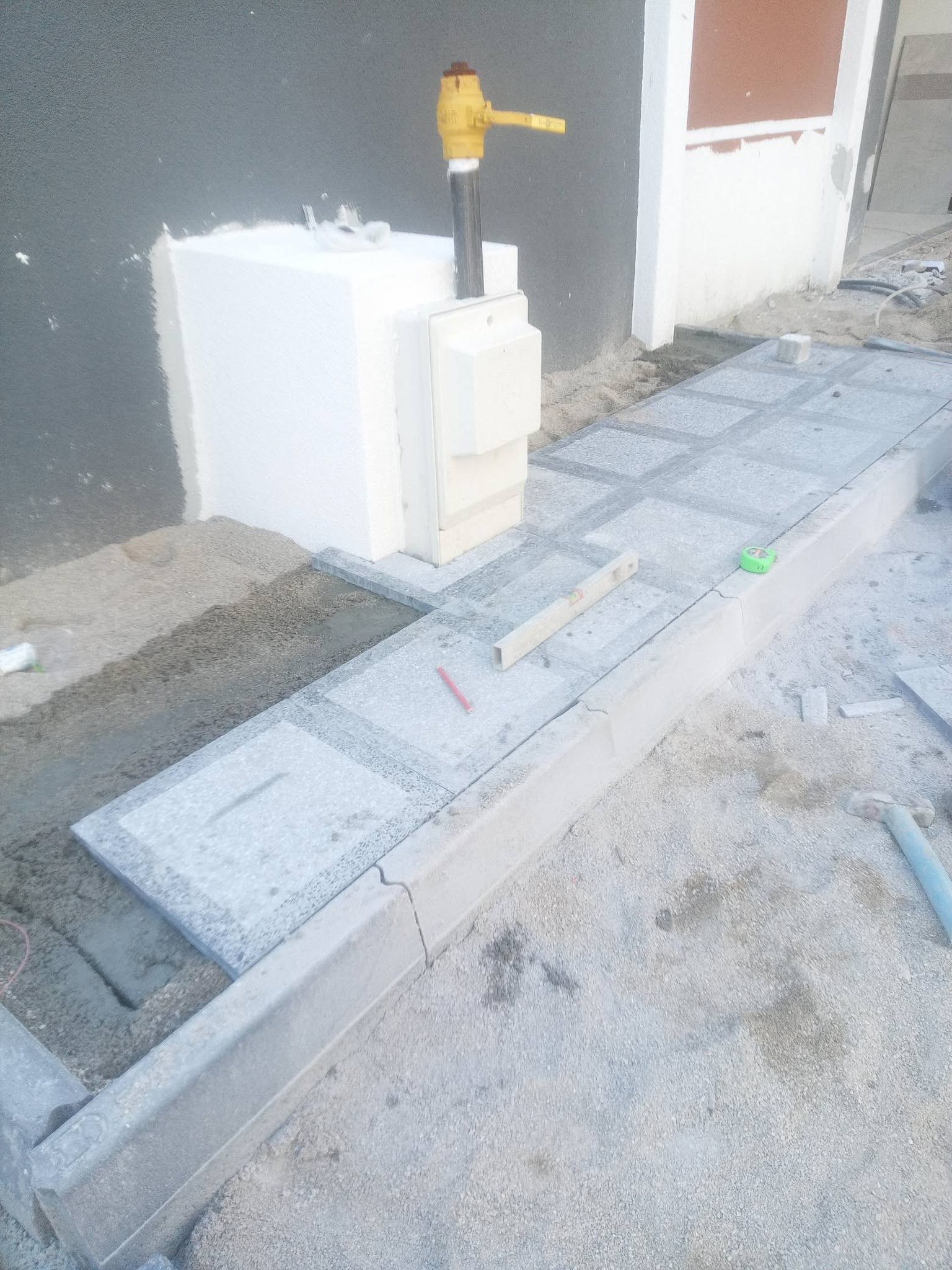
Edge Finishing, Cut Tiles and Kerb Restraint Details
Clean edge finishing is where a paving project starts to look professional. Wall-side cuts, kerb restraint, border transitions and narrow turns must be completed with the same care as the central field.
Wall-side connections
The paving surface should meet building walls and entrance areas without excessive pressure or uncontrolled open gaps. This protects both visual quality and long-term surface stability.
Measured cutting
Not every project area can be completed with full tiles. Around corners, drains, wall offsets and kerb lines, measured cuts reduce broken pieces and improve the final finish.
Kerb restraint
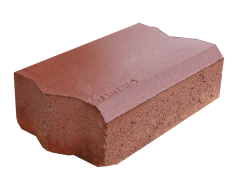
Kerbs, concrete restraints or edge supports help keep the paving field from opening outward. This is especially important for garden borders, walkways and vehicle-adjacent zones.
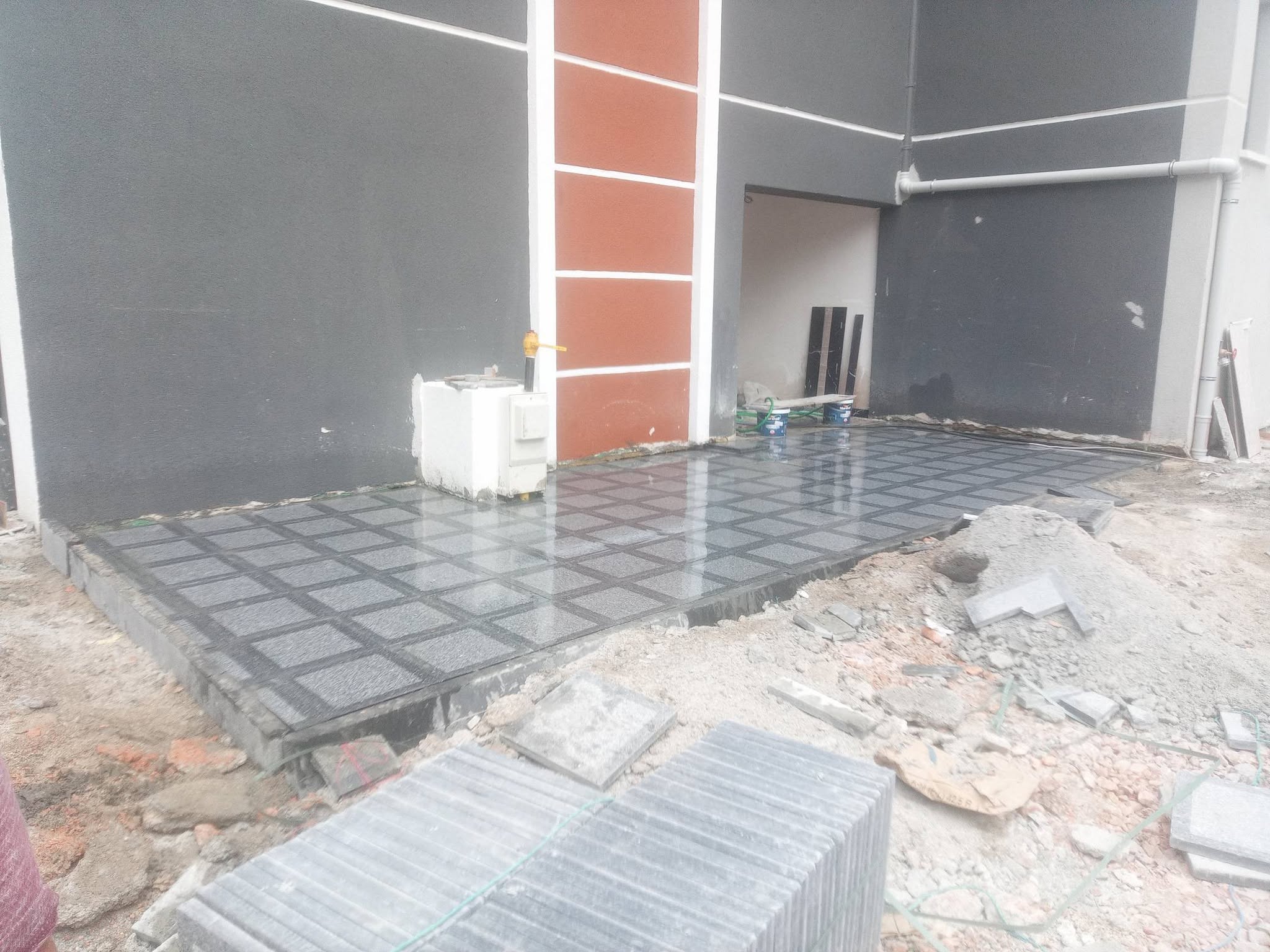
Joint Filling, Surface Compaction and Final Level Check
Once the tiles are aligned, joint filling and surface compaction help the field behave as a single stable surface. The joint material supports tile contact, while compaction encourages the paving units to settle evenly into the bedding layer.
Joint filling
Joint spaces are filled and swept into the surface so the paving tiles support each other. Missing joint material can reduce surface stability and allow movement.
Compaction control
Compaction should be performed with attention to surface texture and tile thickness. The purpose is to lock the field without damaging visible surfaces.
Final level review
After compaction, high points, low points and edge lines are reviewed before the site moves into cleaning and handover stages.
Paving Tile Size, Thickness, Weight and Pallet Data
For an international reader, technical data is one of the most useful parts of a paving project page. The following values support pallet planning, truck loading, site storage and quantity takeoff. Final values may vary by product model, production batch and manufacturer confirmation.
| Size | Layer / Type | Thickness | kg/m² | kg/pallet | pcs/m² | m²/pallet |
|---|---|---|---|---|---|---|
| 30×30 | Standard | 2.5 cm | 60 kg | 1,950 kg | 11.11 pcs | 32.40 m² |
| 33×33 | Single layer | 1.8 cm | 43 kg | 1,700 kg | 9.18 pcs | 39.00 m² |
| 40×40 | Single layer | 2 cm | 48 kg | 1,720 kg | 6.25 pcs | 35.84 m² |
| 40×40 | Double layer | 3.2 cm | 77 kg | 1,670 kg | 6.25 pcs | 21.76 m² |
| 40×40 | Heavy duty | 5 cm | 120 kg | 1,700 kg | 6.25 pcs | 14.08 m² |
| 30×60 | Double layer | 3.5 cm | 84 kg | 1,500 kg | 5.55 pcs | 17.82 m² |
| 30×60 | Single layer | 2.5 cm | 60 kg | 1,300 kg | 5.55 pcs | 21.60 m² |
| 60×60 | Single layer | 3 cm | 72 kg | 1,000 kg | 2.77 pcs | approx. 13.90 m² |
| 60×60 | Double layer | 4 cm | 96 kg | 1,000 kg | 2.77 pcs | 10.08 m² |
| 60×120 | Standard | 3 cm | 72 kg | 1,550 kg | 1.39 pcs | 21.60 m² |
| 60×120 | Heavy duty | 5 cm | 120 kg | 1,900 kg | 1.39 pcs | approx. 15.83 m² |
| 75×120 | Large format | 3.5 cm | 84 kg | 2,500 kg | 1.11 pcs | approx. 29.76 m² |
Maintenance Plan for Long-Lasting Outdoor Paving
A professionally installed paving surface still benefits from periodic care. Cleaning, joint checks, edge observations and drainage control help the paved field maintain its form through weather, traffic and seasonal changes.
Cleaning routine
Dust, leaves, mud and loose joint material should be removed without damaging the tile surface. Regular sweeping helps the paving look cleaner for longer.
Joint and edge inspection
Joint loss, moving edge tiles and kerb gaps should be corrected early before the issue spreads across the paved field.
Rain and freeze-thaw awareness
In Ankara climate conditions, drainage and winter freeze-thaw effects are important. Water should not stay on the surface or flow toward the building entrance.
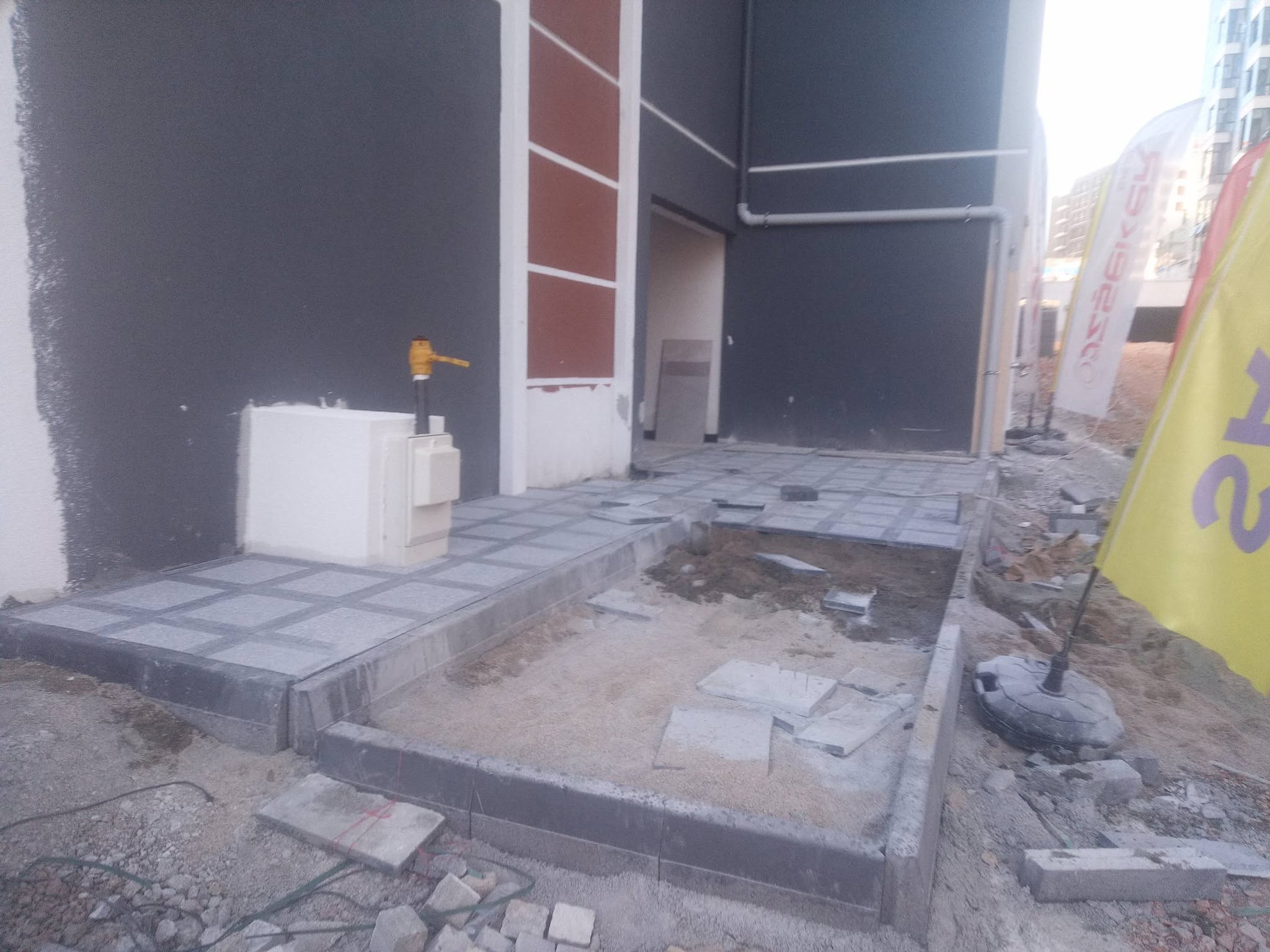
Project Area Evaluation: Building Perimeter, Walkways and Landscape Use
The value of a paving tile installation is measured not only by the finished look but also by how well the surface supports daily movement. Building entrances, garden routes, pedestrian paths and shared residential areas require a layout that feels clean, safe and easy to maintain.
Pedestrian flow
The route should guide movement naturally between entrances, gardens and common areas. A stable surface supports accessibility and reduces mud or dust problems.
Hardscape and landscape connection
Paving should not look detached from the garden. Border lines, kerbs and surface colors help connect hardscape to planting areas.
Residential exterior value
A clean paved field improves the first impression of a property and creates a more usable exterior environment.
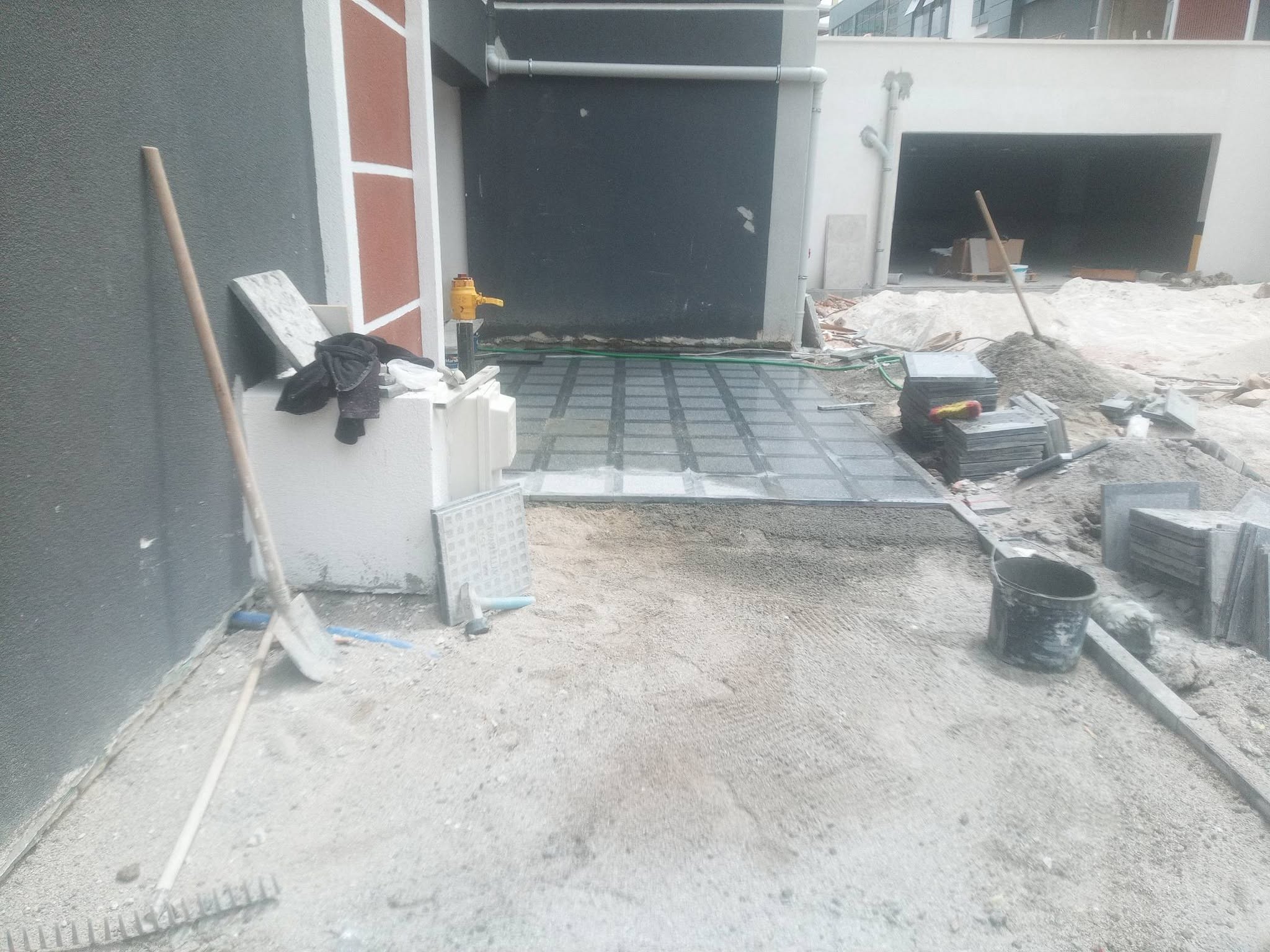
Pattern, Color and Landscape Integration for Exterior Paving
Paving tiles do more than cover the ground. Their size, surface texture, color and pattern influence how the building entrance, garden edge and walking route are perceived. This is why pattern selection should be evaluated together with facade color, landscape design and expected use.
Color balance
Neutral and sandblasted tones can make an exterior surface feel more integrated with garden and facade materials.
Pattern selection
Frame, diamond, begonia or simple square patterns each create a different visual rhythm on larger surfaces.
Slip and texture perception
Surface texture affects how users perceive safety and durability, especially in outdoor areas exposed to rain or dust.
Quantity Takeoff, Waste Allowance and Quotation Scope
A reliable quotation should separate product quantity, waste allowance, labor, bedding material, edge restraints, transport and VAT or tax assumptions. This makes cost comparison clearer for property owners and project managers.
Quantity takeoff
The paved area is calculated in square metres. If the field includes curves, cuts, borders or diagonal layouts, the quantity should include a realistic waste allowance.
Pallet and tonnage planning
The m²/pallet and kg/pallet values help estimate how many pallets are needed and whether unloading equipment or special transport planning is required.
Quotation clarity
A clear offer should show whether the price includes supply only, supply plus material, labor, transport, kerbs and full turnkey installation.
Related Hardscape and Project Reference Pages
These related pages create a stronger semantic connection between paving tiles, kerb installation, natural stone surfaces and MT Altaş İnşaat field references.
Frequently Asked Questions About Paving Tile Installation
What is the main advantage of concrete paving tiles for residential outdoor areas?
Concrete paving tiles create a cleaner, more usable outdoor surface for entrances, garden paths and building perimeters. When installed with proper base preparation, joint control and drainage, they reduce mud, dust and uneven walking conditions.
Why is base preparation important before paving tile installation?
The base layer carries the visible paving surface. If the bedding is uneven or the slope is not planned correctly, tiles may move, sink or collect water after use.
How are paving tile quantities calculated?
The area is measured in square metres, then the tile size, pieces per square metre, pallet coverage and waste allowance are considered. Edge cuts and border details can increase the required quantity.
Should kerbs be used with paving tiles?
Kerbs or edge restraints are recommended where the paved field meets soil, garden beds, vehicle areas or open edges. They reduce outward movement and create a cleaner border line.
Is this English page a duplicate of the Turkish article?
No. This version is written for global English search intent. It uses the same project identity but original English structure, terminology, headings and technical explanation.
For paving tile supply, outdoor hardscape installation, quantity takeoff, kerb details and site-specific quotation planning, contact MT Altaş İnşaat through phone or WhatsApp.
Leave a comment