

Ask a Question About This Product
Product Summary
Ankara Baglica Interlocking Paving Project: 970 m² Professional Installation, Pattern Planning and Kerbstone System
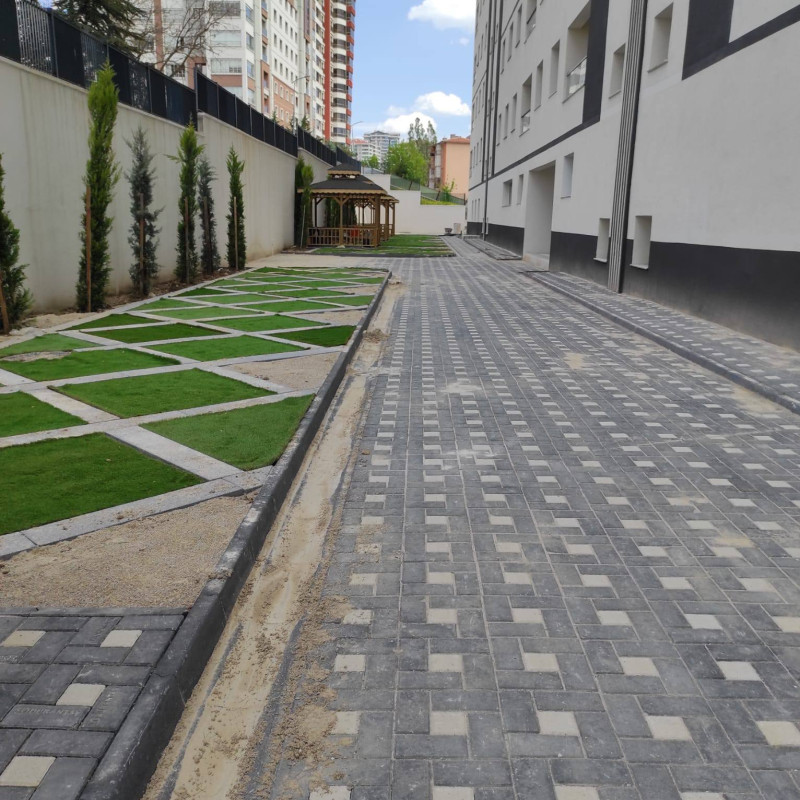
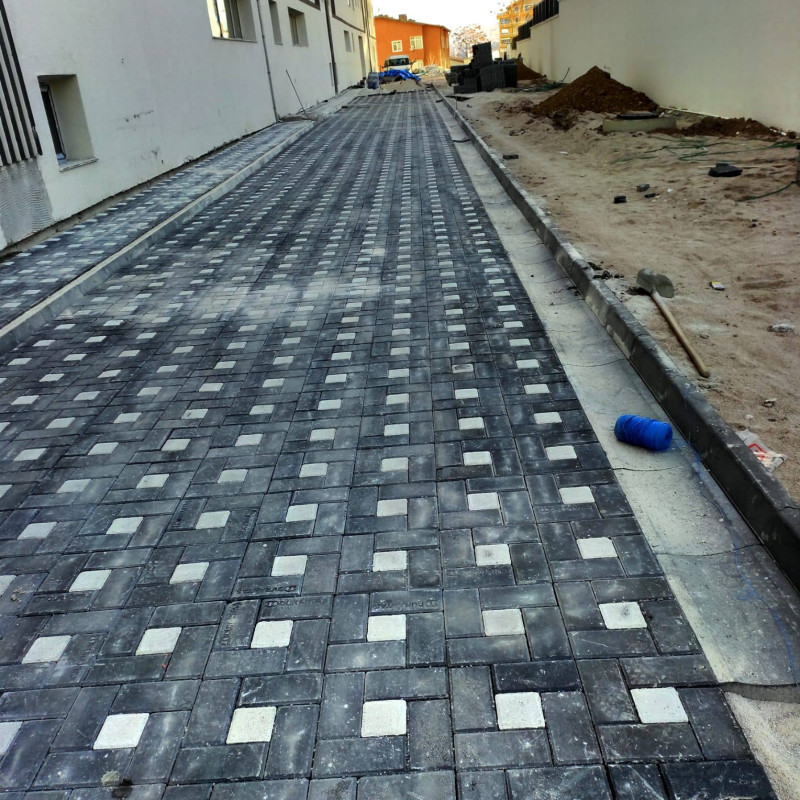
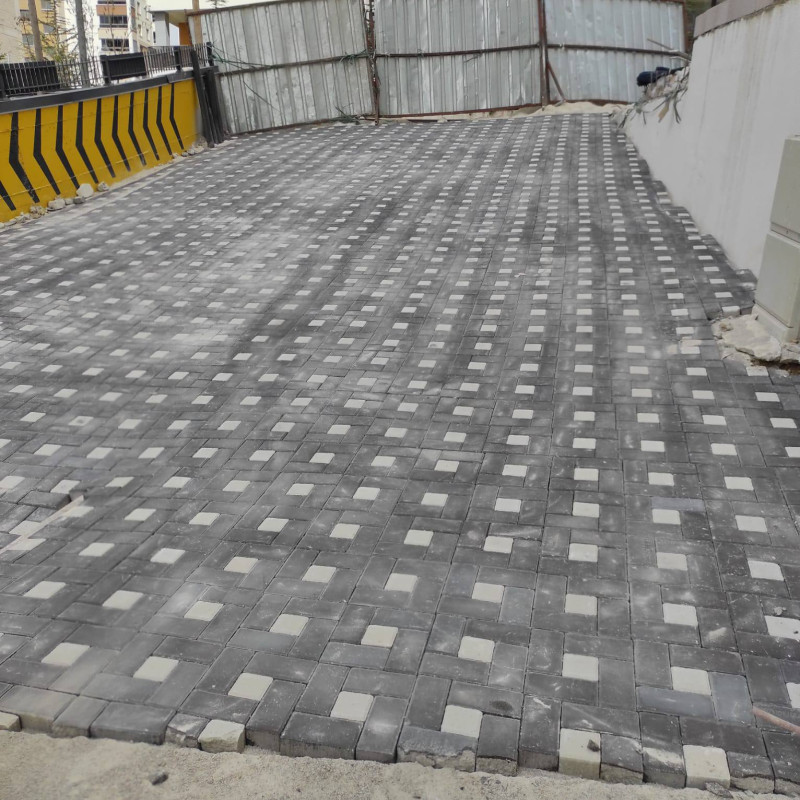
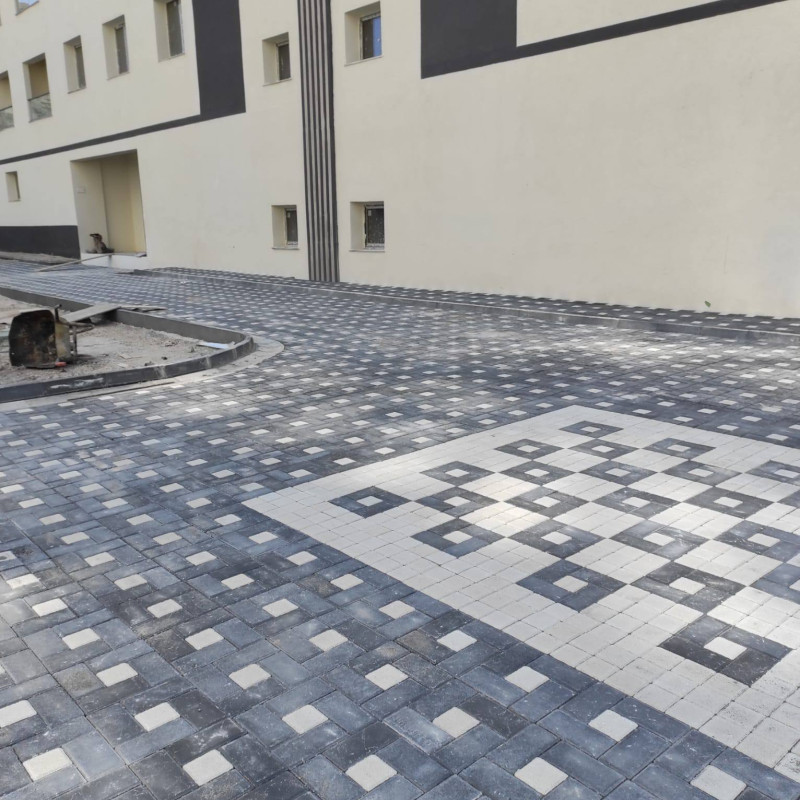
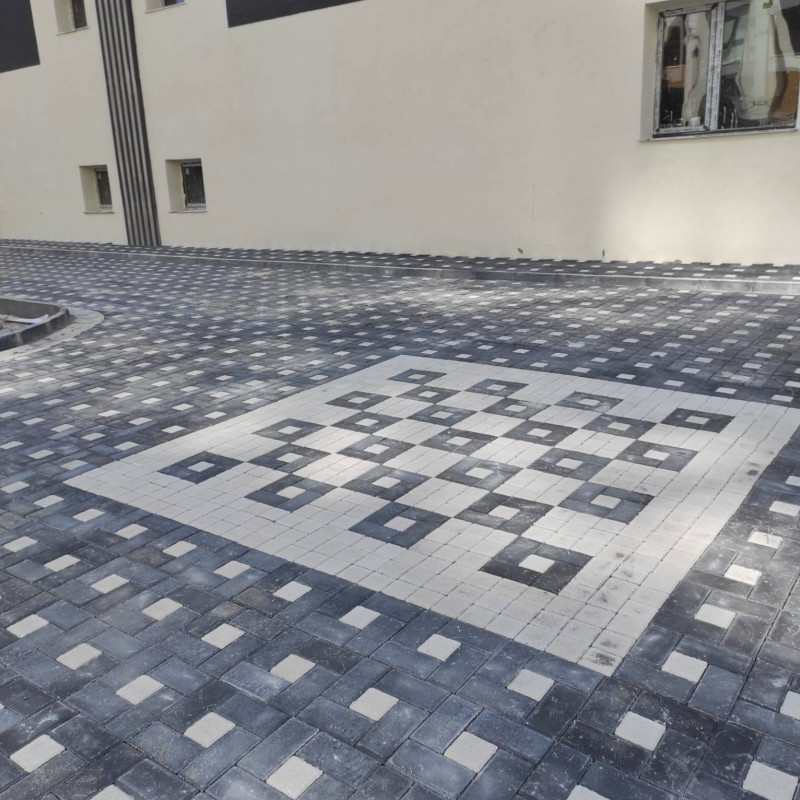
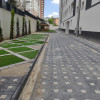
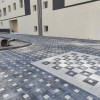
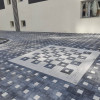
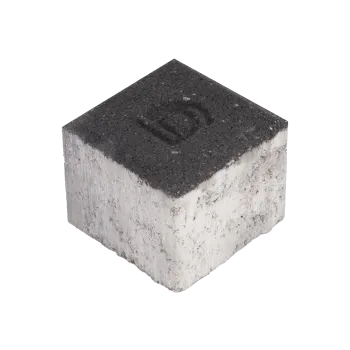
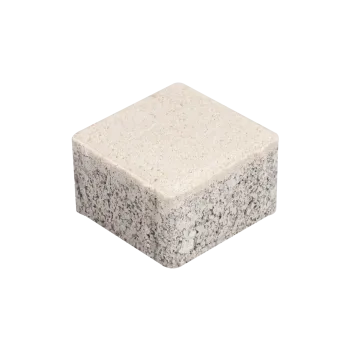
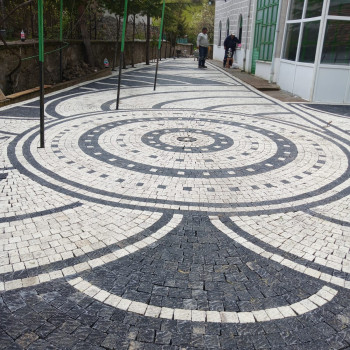
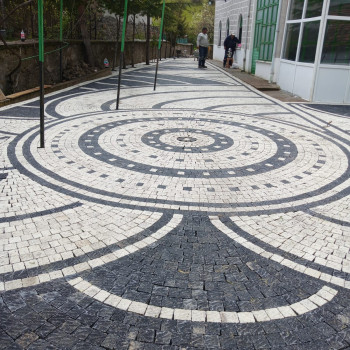
This project completed in Ankara Baglica should not be seen as a simple paving application. It is a large-scale surface solution where technical groundwork, visual planning, structural edge control and professional installation discipline work together as one integrated system. The project covers a total area of 970 square meters. The main paving surface was formed with 10x20 cm rectangular black interlocking pavers, while 10x10 cm square white pavers were used to create visual rhythm, pattern transitions and architectural contrast. In addition, a total of 350 linear meters of kerbstone was installed to define the perimeter and lock the system from the edges.
At MT Altas Construction, we approach paving works with a long-term performance mindset rather than focusing only on visual appeal. A well-finished paving surface is not judged only by how it looks on delivery day. Its true quality is measured by how well it resists settlement, edge movement, seasonal surface stress and heavy use over time. For this reason, the Baglica project is an important reference not only in terms of appearance, but also in terms of technical planning and durability-based installation logic.
Project Snapshot
- Location: Ankara / Baglica
- Total Area: 970 m²
- Main Paver: 10x20 rectangular black pavers
- Pattern Paver: 10x10 square white pavers
- Kerbstone: 350 linear meters
- Use Type: residential circulation and site surface organization
Why This Page Matters
- It functions as both a reference and a technical guide
- It supports category authority through internal links
- It targets global long-tail search traffic
- It explains practical and technical decisions clearly
- It helps convert visitors into quote requests
Why the Black and White Paver Combination Creates a Premium Result
Many paving projects rely on a single color and a single shape. While that can be practical, it often produces a flat and generic surface. In this Baglica project, the paving strategy was intentionally designed to create visual depth and a stronger architectural identity. The black 10x20 rectangular pavers establish the main body of the surface, giving the project a solid and structured visual foundation. The white 10x10 square units act as accent elements that introduce movement, contrast and controlled pattern definition.
This combination improves the perceived quality of the environment. Black surfaces visually manage everyday use well and provide a strong contemporary base, while white accent pavers help break monotony and create orientation cues. In residential compounds, site roads, shared access areas and entrance zones, such combinations can significantly elevate the visual character of the project.
| Technical Item | Applied Solution | Main Benefit |
|---|---|---|
| Main Surface Paver | 10x20 cm black rectangular interlocking paver | Strong visual base and balanced appearance in daily use |
| Accent / Pattern Paver | 10x10 cm white square paver | Contrast, rhythm and visual articulation |
| Perimeter Control | 350 linear meters of kerbstone | Edge locking, boundary control and long-term structural support |
| Design Logic | Performance plus visual identity | Long service life with a premium presentation |
Why Sub-Base Preparation Is More Important Than Most People Think
One of the biggest mistakes in paving projects is focusing only on the visible surface material while ignoring the technical behavior of the layers underneath. However, the long-term success of an interlocking paving system depends heavily on the preparation of the sub-base. Settlement, wave formation, edge spread and surface instability usually do not come from the pavers themselves. They are commonly caused by weak excavation discipline, poor compaction, uneven bedding or inadequate edge restraint.
In Ankara, where seasonal temperature variations can influence ground behavior, sub-base planning becomes even more important. A surface may look visually perfect after installation, but if the base is not properly compacted and structured, performance loss may occur over time. This is why professional paving should always begin with ground evaluation, base planning and edge stabilization logic rather than surface aesthetics alone.
Professional insight: In interlocking paving systems, long-term performance is largely controlled by base preparation, proper compaction, correct slope planning and strong edge restraint.
Key Technical Considerations in a Professional Installation
- Observation of existing ground conditions and load behavior
- Excavation depth appropriate to the project need
- Layered base filling with the right aggregate structure
- Controlled compaction during each phase
- Balanced bedding layer preparation
- Water flow and surface slope awareness
- Strong kerbstone support to prevent edge movement
The Structural Role of 350 Linear Meters of Kerbstone
Kerbstones are often misunderstood as purely visual border elements. In reality, they play a major structural role in interlocking paving systems. They help resist lateral movement and preserve the geometry of the paved surface over time. In large-scale applications, especially where traffic and repeated daily use are expected, a paving layout without proper edge support may gradually loosen from the sides.
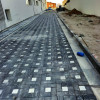
In the Baglica project, the use of 350 linear meters of kerbstone was not only a design choice. It was a structural decision. The kerbstones define the project boundaries, support edge integrity, reinforce the visual frame of the layout and contribute to long-term dimensional stability.
| Kerbstone Function | Project Impact |
|---|---|
| Edge restraint | Helps prevent lateral spreading of the paving system |
| Space definition | Clarifies movement lines and site organization |
| Visual framing | Creates a more finished and professional appearance |
| Long-term support | Helps preserve shape and structural coherence over time |
Why Pattern Planning Cannot Be Random in a 970 m² Surface
On small surfaces, visual decisions can sometimes be made on site during execution. But on a project covering 970 square meters, pattern distribution, color transitions and directional flow should be considered beforehand. Otherwise, some areas may appear too dense while others may feel visually weak. Good pattern planning ensures that the entire paved area delivers a balanced and intentional look.
In this project, the relationship between black and white pavers was treated as part of a larger design language. The white square pavers do not interrupt the surface; instead, they strengthen it by adding rhythm and controlled contrast. This creates a surface that is visually richer than a plain single-tone installation while remaining elegant and usable in daily life.
Main Principles Behind the Pattern Strategy
- Respect the geometry of the overall site
- Create a controlled visual rhythm rather than random contrast
- Support entrances, movement lines and transition zones
- Integrate surface pavers, accent pavers and kerbstones as one system
- Maintain visual quality even after long-term use
What Determines the Durability of Interlocking Paving in Ankara?
Durable paving is not the result of material selection alone. Performance depends on a combination of technical and practical decisions. In Ankara, where projects may face seasonal stress, temperature differences and repeated use, long-term resistance comes from balancing the visible surface with the invisible support structure underneath.
Durability is generally influenced by load expectations, base strength, layer stability, correct paver selection, kerbstone discipline, workmanship precision and surface water management. If one of these areas is neglected, even a good-looking project can lose quality over time.
Factors That Improve Durability
- Well-prepared ground structure
- Correct compaction sequence
- Project-based paver selection
- Reliable edge restraint
- Thoughtful surface slope planning
Common Failure Risks
- Insufficient excavation
- Weak or uneven bedding
- Inadequate edge locking
- Random pattern transitions
- Poor finishing compaction
Internal Linking Strategy for Category Strength and Organic Reach
This page should not work in isolation. It should support and be supported by the broader category structure of your website. Internal linking is one of the simplest and most effective ways to strengthen topical authority, improve crawl flow and keep visitors moving between closely related service and reference pages.
For this reason, the Baglica project page should connect to the main interlocking paving category as well as related surface application categories. This helps search engines understand that your site does not contain a single isolated project, but a wider professional knowledge and application network in paving and ground systems.
Why This Should Function as More Than a Simple Project Reference
Many companies publish reference pages with only a few photos and a short paragraph. That approach wastes SEO potential and offers little educational value to the visitor. A strong page like this should answer practical questions as well: What paver format was used? Why was that combination selected? What is the role of kerbstones? Why does sub-base preparation matter? What should clients look for in a large residential paving project?
When a product or reference page answers these questions clearly, it becomes more than a gallery. It becomes a hybrid page: part case study, part technical guide, part commercial landing page. That is exactly the kind of structure that can attract better search traffic and generate higher trust from potential customers.
MT Altas Construction Approach: Visual Quality + Technical Logic + Long Service Life
At MT Altas Construction, we do not define success by appearance alone. A successful paving project should continue to look organized, stable and reliable long after completion. That is why our installation logic combines material choice, site planning, edge management, design discipline and practical durability.
The Baglica paving project reflects that philosophy clearly. With its 970 m² scale, black and white paver combination, strong kerbstone support and technically aware surface logic, it is a powerful reference not only for presentation, but also for category-level organic growth and lead generation.
Request a Professional Quote for Your Project
For interlocking paving, kerbstone applications, site organization and project-based quantity planning in Ankara, contact MT Altas Construction. Use the MTA Project Calculator for an initial estimate, then let us shape the right field solution through a professional site review.
Material Calculation, Load Distribution and Technical Planning
This 970 m² interlocking paving project was designed not only as a surface covering but also as a fully engineered system including material calculation, load distribution and structural balance.
Proper quantity estimation is one of the most critical elements in large-scale paving projects. It ensures cost control, material efficiency and long-term durability.
Quantity and Material Estimation
- Total Area: 970 m²
- Average pavers per m²: 36 – 40 pieces
- Total estimated units: 35,000 – 38,000 pieces
- Kerbstone: 350 linear meters
Sand and Base Layer Structure
The performance of interlocking paving depends heavily on the base system. In this project, both sand and crushed stone layers were carefully applied to ensure long-term stability.
- Sand layer: 4 – 5 cm
- Base layer: 10 – 15 cm crushed stone
- Compaction: Layered mechanical compaction
Load Bearing and Durability System
This project was designed to support both pedestrian and vehicle traffic. Therefore, base preparation and material thickness were optimized beyond standard applications.
Interlocking paving systems provide flexibility compared to rigid concrete surfaces, making them more resistant to ground movement and seasonal changes.
Key Durability Factors
- Sub-base compaction quality
- Paver thickness selection
- Kerbstone stability
- Drainage slope design
Pattern Design and Visual Engineering
The black and white paver combination was selected not only for aesthetics but also to improve spatial clarity and directional flow.
Single-color applications may look flat over time, while dual-color patterns create a more premium and structured appearance.
Pattern Logic Used
- Main surface: Black rectangular pavers
- Transitions: White square pavers
- Visual guidance: Linear patterns
- Space separation: Color contrast
How to Build a Long-Lasting Interlocking System
Durability in paving systems is achieved through proper installation techniques rather than just material quality.
- Correct excavation depth
- Quality base materials
- Professional compaction
- Accurate alignment
- Strong edge restraint
Cost Factors and Pricing Structure
Interlocking paving costs vary depending on multiple factors. A fixed price model is not realistic for professional applications.
- Project size (m²)
- Ground conditions
- Paver thickness
- Pattern complexity
- Labor and logistics
Frequently Asked Questions (Interlocking Paving)
How long does interlocking paving installation take?
For large-scale projects like 970 m², the installation typically takes between 4 to 7 days depending on site conditions and workforce.
Is interlocking paving durable?
Yes. When installed with proper base preparation and quality materials, interlocking paving systems can last for many years without structural issues.
How many pavers are needed per square meter?
On average, 36 to 40 pavers are used per square meter depending on the paver size and pattern design.
Is interlocking paving better than concrete?
Interlocking systems are more flexible and resistant to cracking compared to rigid concrete surfaces. They also allow easier maintenance and repairs.
Why do paving prices vary?
Pricing depends on project size, ground conditions, material thickness and labor requirements. Each project must be evaluated individually.
What is Interlocking Paving?
Interlocking paving is a surface system created by placing specially shaped concrete pavers that lock together to form a strong and flexible ground surface.
Interlocking Paving Services in Ankara
Interlocking paving is widely used in residential roads, parking areas and landscape applications in Ankara. MT Altas provides professional installation services across all districts.