



Sevin Meram
★★★★★
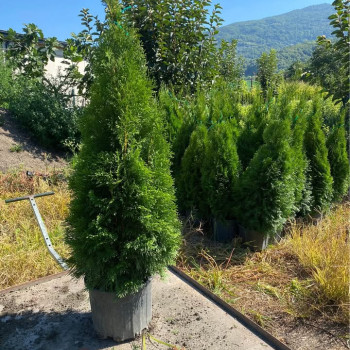
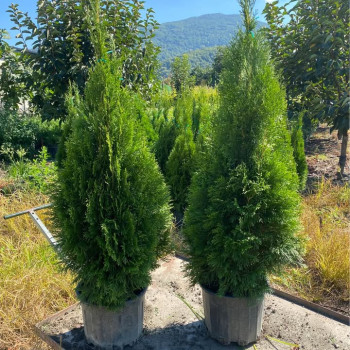
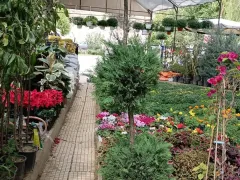
13 adet şimşir ağacı siparişini verdim ertesi gün getirip dikilecek yeri gösterdim 2 saat süren çalışma sonucu elamanları işini bitirip teslim ettiler. Ağaçlar dedikleri gibi çıktı. Teşekürler
 Epoxy Applications
 Interlocking Paving Applications & Types
 Concrete Kerbstone Applications & Types
 Tile Applications & Models
 Andesite Stone Applications & Models
 Marble Stone Applications & Designs
 Flagstone Models & Applications
 Gutter Stone Types and Installation
 Landscaping & Garden Materials
 Sand & Cement Prices 2026 | Material Calculator
 MTA Project Analysis System
Referans
Epoxy Applications
Interlocking Paving Applications & Types
Concrete Kerbstone Applications & Types
Tile Applications & Models
Andesite Stone Applications & Models
Marble Stone Applications & Designs
Flagstone Models & Applications
Gutter Stone Types and Installation
Landscaping & Garden Materials
Sand & Cement Prices 2026 | Material Calculator
MTA Project Analysis System
Referans

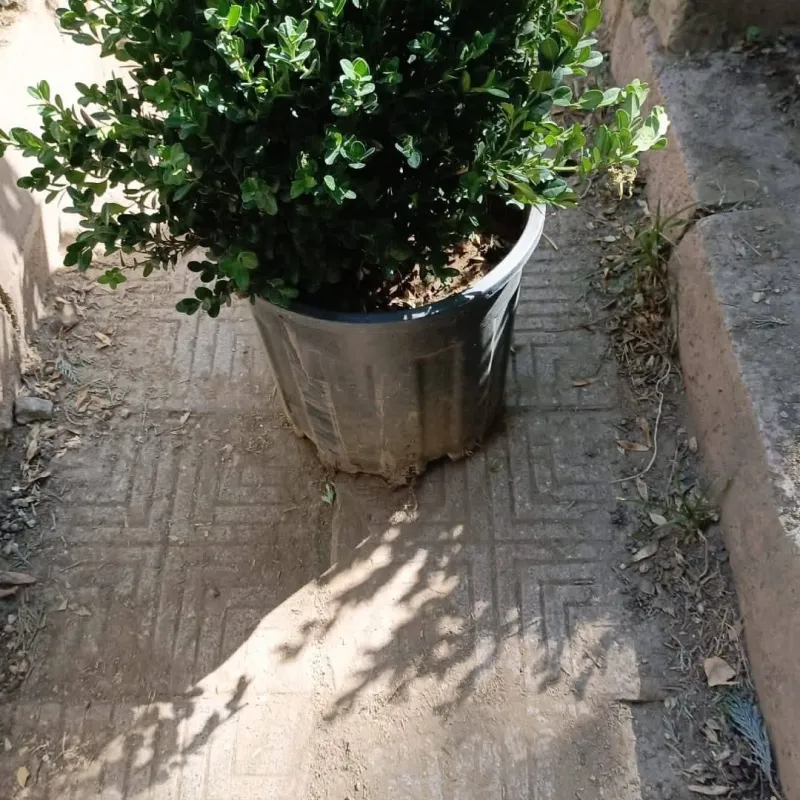
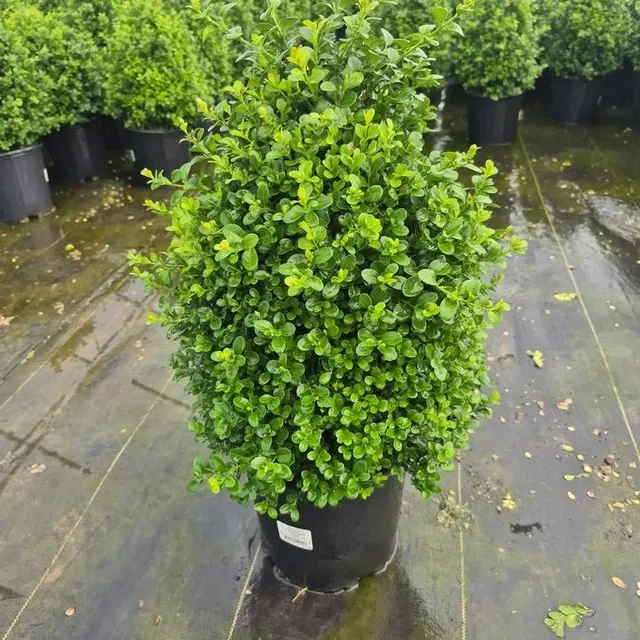
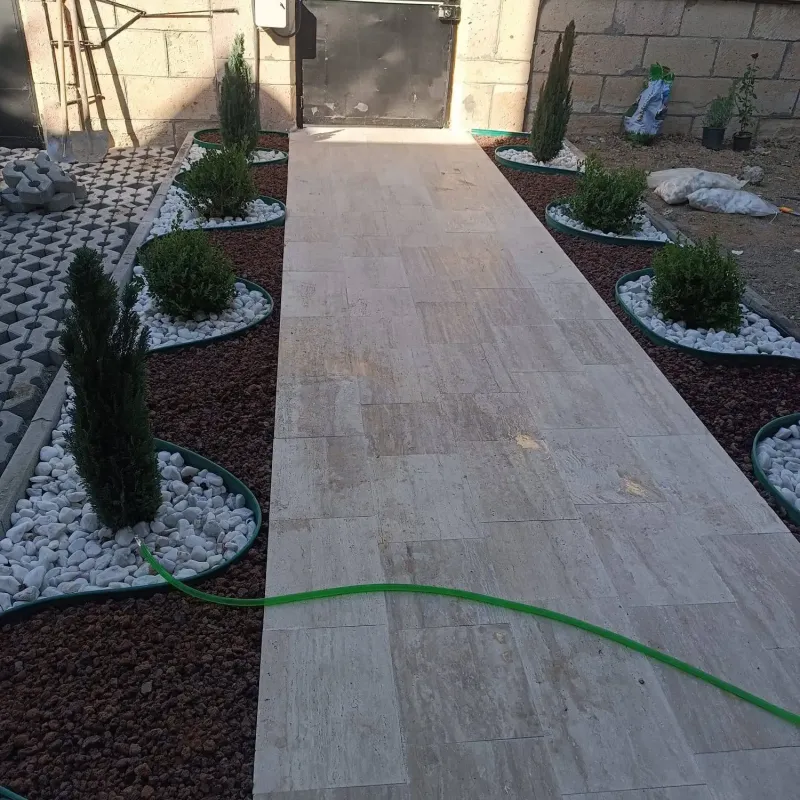
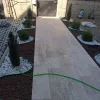
Brought to you by MT Altaş, the Boxwood Tree adds timeless elegance to your outdoor spaces with its evergreen structure, durable foliage, and seamless integration with AI-powered landscape design processes. We deliver professional solutions for projects ranging from modern luxury villa gardens to commercial landscaping.
Landscaping and garden design is a multidisciplinary art that connects human life with nature, blending aesthetics and functionality. One of the most fundamental building blocks of this art, the Boxwood Tree (Buxus Sempervirens), has been a legendary plant maintaining its popularity across every era, from historic palace gardens to modern minimalist villas. At MT Altaş, we place boxwood at the core of our prestigious landscaping operations and elite villa projects.
Its ability to retain lush green foliage throughout all four seasons, exhibit the most noble tones of dark green, and demonstrate extraordinary resistance to pruning makes boxwood indispensable for landscape architects. It is not merely a plant, but rather a living sculpture, boundary element, and privacy shield in outdoor living spaces.
Belonging to the Buxaceae family, Buxus sempervirens is a slow-growing yet remarkably long-lived and durable woody plant species. Although it can reach several meters in height under natural conditions, in landscape applications it is maintained in desired forms and sizes through regular pruning.
| Characteristic | Detailed Description |
|---|---|
| Botanical Name | Buxus Sempervirens (Common Boxwood) |
| Family | Buxaceae |
| Foliage Status | Evergreen (Retains leaves year-round) |
| Leaf Structure | Opposite arrangement, leathery texture, glossy dark green upper surface, matte yellowish-green lower surface |
| Growth Rate | Slow-growing (Average 5-10 cm growth per year) |
| Climate Tolerance | High resistance to cold climates, drought, and urban air pollution |
Boxwood leaves are ovate or elliptic in form. Thanks to its densely branched structure, it creates an intense texture through which light cannot easily penetrate. This compact texture ensures that geometric shapes (spheres, pyramids, cones, spirals) created via topiary art maintain their pristine form for extended periods.
Due to its high versatility, the boxwood tree can be positioned for various purposes across landscape projects. The primary application scenarios we implement in our operations include:
hardscaped courtyards.Although boxwood is a hardy plant, it requires specific maintenance routines to preserve its form and vibrant green coloration. Recommended practices include:
Newly planted boxwood saplings require regular and deep watering during their first year to establish a robust root system. Soil moisture balance should be monitored while avoiding waterlogging. Mature boxwood plants develop moderate drought tolerance; however, deep watering 1 to 2 times a week during hot summer months maximizes vitality.
The optimal seasons for pruning boxwood are early spring (before new shoots emerge) and late summer (August/September). Sharp and sterilized pruning shears must be utilized. Regular pruning stimulates branching, resulting in a denser and more velvety appearance.
Demonstrating exceptional resilience against severe winter conditions—including continental climate patterns—boxwood can withstand temperatures dropping to -20°C and below. While not overly selective regarding soil types, it thrives best in organic-rich, well-draining, slightly clayey, or loamy soils. Because standing water in the root zone can cause root rot, proper drainage layers (such as geotextile filter fabric and gravel combinations) should be incorporated during planting.
At MT Altaş, we are revolutionizing the e-commerce and landscaping sectors. Our customers no longer need to guess which plant size or spacing is required for their gardens! Through our AI-powered 1-on-1 design service:
We have optimized our proprietary quantity-estimation software, MT-Altaş ProMetraj V21.3 Enterprise Software—trusted across our professional field construction projects—for our e-commerce clients. When determining total boxwood quantities along a border line, the following engineering formula is applied:
For instance, in a scenario where boxwood plants are spaced at 40 cm intervals along a 20-meter walkway border, our ProMetraj system automatically calculates the exact cart quantity including a safety waste margin (5%), eliminating material waste.
No, boxwood is an evergreen plant and remains green throughout all 12 months of the year.
Yes, absolutely. It exhibits high resistance to continental climate conditions and frost events.
By clicking the "AI Design Assistant" button on the product page, you can submit your garden dimensions and receive a free 3D simulation of your project curated by our experts.