-1500x1500h.jpeg-36x36.webp)



-1500x1500h.jpeg-240x180w.webp)





Ask a Question About This Product
Product Summary


Epoxy Flooring Applications | Complete Guide to Industrial and Decorative Floor Systems
Epoxy flooring applications are widely recognized as one of the most durable, cost-effective, and visually appealing surface solutions used in modern construction and industrial environments. These systems are engineered to provide long-term protection, seamless finishes, and resistance to heavy loads, chemicals, and continuous operational use.
This comprehensive guide covers everything you need to know about epoxy flooring systems, including types, benefits, applications, pricing structures, installation processes, and long-term maintenance strategies. Whether you are planning a commercial project, industrial facility, or residential upgrade, epoxy flooring offers a reliable and scalable solution.
What is Epoxy Flooring?
Epoxy flooring is a resin-based coating system formed by mixing two primary components: resin and hardener. When combined, these materials create a chemical reaction that results in a rigid plastic surface that bonds strongly to concrete substrates.
Material Composition
Epoxy consists of thermosetting polymers that form a dense and non-porous surface. This structure prevents moisture penetration and enhances durability.
Surface Performance
Once cured, epoxy flooring creates a seamless layer that improves mechanical resistance, hygiene, and visual quality.
Advantages of Epoxy Flooring Systems
High Durability
Epoxy floors are designed to withstand heavy machinery, vehicle traffic, and continuous operational stress without degradation.
Chemical Resistance
These systems resist oils, acids, solvents, and other industrial chemicals, making them ideal for manufacturing environments.
Seamless and Hygienic Surface
The non-porous structure prevents dust accumulation and supports easy cleaning.
Aesthetic Flexibility
Available in multiple colors, textures, and finishes, epoxy can be tailored to match design requirements.
Cost Efficiency
Despite initial installation costs, epoxy flooring reduces maintenance expenses over time.
Where Epoxy Flooring is Used
- Industrial plants and factories
- Warehouses and logistics centers
- Parking garages and automotive areas
- Hospitals and laboratories
- Retail stores and showrooms
- Commercial kitchens and offices
Types of Epoxy Flooring
Industrial Epoxy Flooring
Designed for heavy-duty environments requiring maximum strength and resistance.
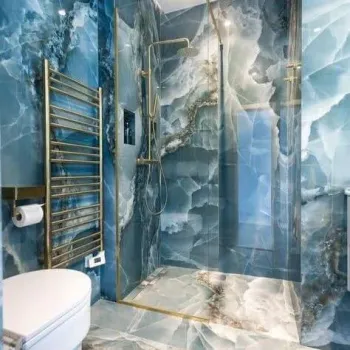
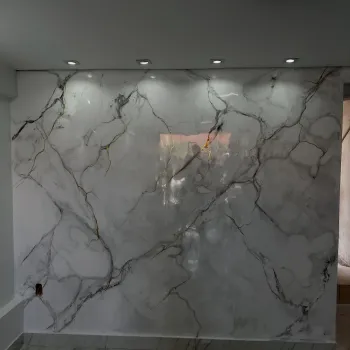
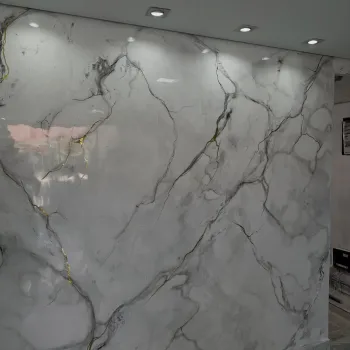
Decorative Epoxy Flooring
Used in commercial and residential settings for visual enhancement.
Self-Leveling Epoxy
Creates a smooth and level surface for modern interiors.
Anti-Static Epoxy
Used in electronics manufacturing and sensitive environments.
Epoxy Flooring Installation Process
Surface Preparation
Grinding, cleaning, and repairing the concrete surface.
Primer Application
Ensures proper adhesion between epoxy and substrate.
Base and Intermediate Layers
Builds thickness and durability.
Topcoat Finish
Provides protection and final appearance.
Epoxy Flooring Price Table
| System Type | Price per m² | Durability | Usage Area |
|---|---|---|---|
| Standard Epoxy | $10 - $25 | Medium | Homes / Light Commercial |
| Industrial Epoxy | $25 - $60 | High | Factories / Warehouses |
| Decorative Epoxy | $40 - $90 | High | Showrooms / Offices |
Extensive FAQ – Epoxy Flooring (Global SEO Section)
How long does epoxy flooring last?
With proper installation, epoxy flooring can last between 10 to 20 years depending on usage conditions.
Is epoxy flooring waterproof?
Yes, epoxy creates a non-porous and water-resistant surface.
Can epoxy be applied over old concrete?
Yes, but proper surface preparation is required.
Is epoxy flooring slippery?
Anti-slip additives can be added to increase safety.
How long does installation take?
Typically between 2 to 5 days depending on the project size.
Does epoxy flooring crack?
Properly installed epoxy systems are resistant to cracking.
Is epoxy environmentally friendly?
Modern systems use low-VOC formulations, making them safer.
Can epoxy be customized?
Yes, colors, textures, and finishes can be customized.
Is epoxy suitable for outdoor use?
Special UV-resistant coatings are required for outdoor areas.
How do you clean epoxy flooring?
Regular cleaning with water and mild detergents is sufficient.
Conclusion
Epoxy flooring applications provide a reliable, durable, and visually appealing solution for a wide range of environments. With proper installation and maintenance, these systems offer long-term performance and cost efficiency, making them one of the most preferred flooring solutions worldwide.
Get a Quote and Information Today
Customer Experiences, Application Areas and Official Technical Responses
Verified customer feedback is presented professionally with product selection details, application-area labels and official MT Altas technical responses.