


Ask a Question About This Product
Product Summary


Leylandii Plant – Leyland Cypress Tree for Evergreen Hedges, Privacy Screens and Landscaping
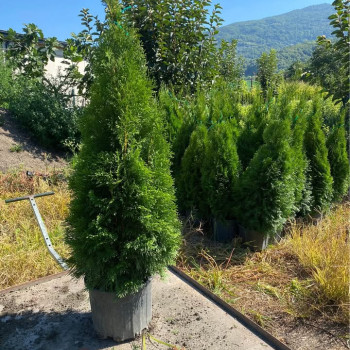
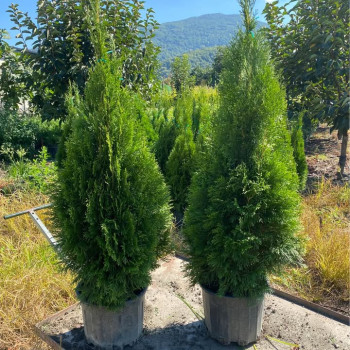
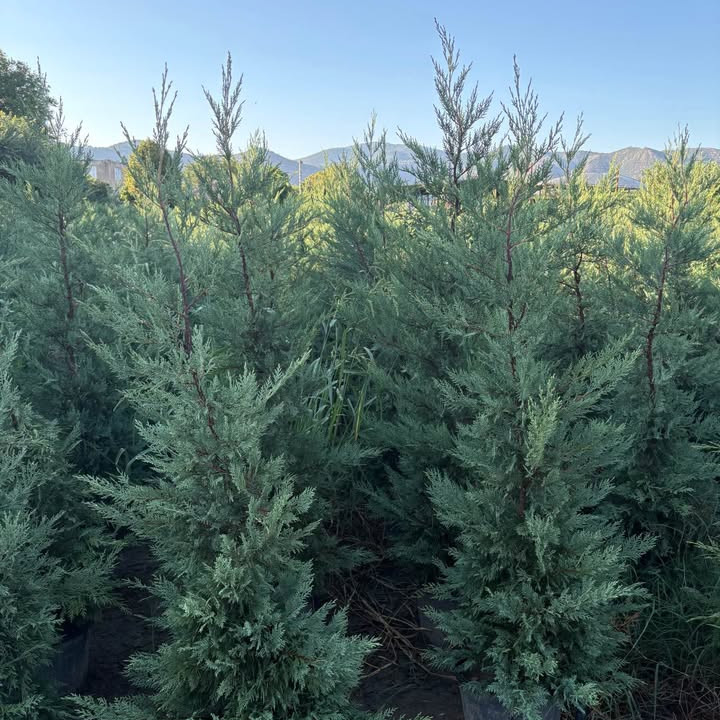
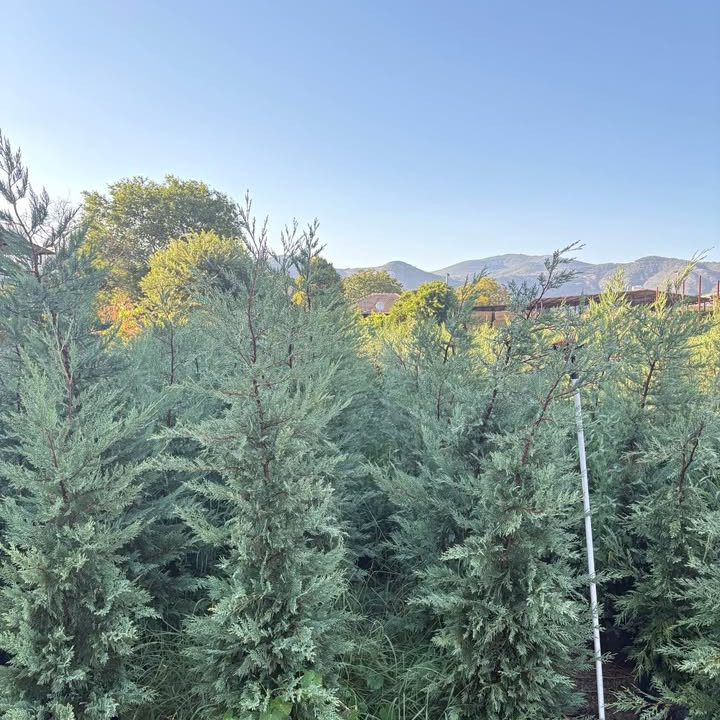
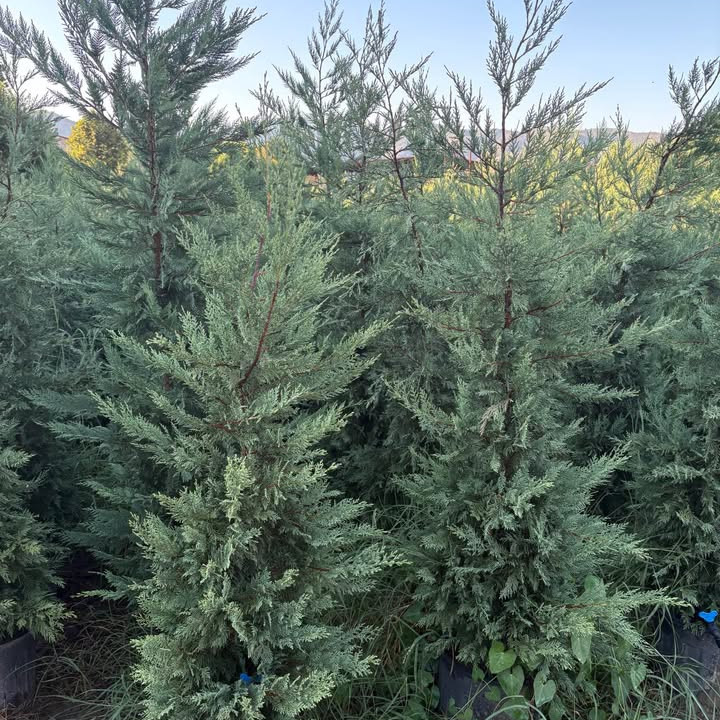
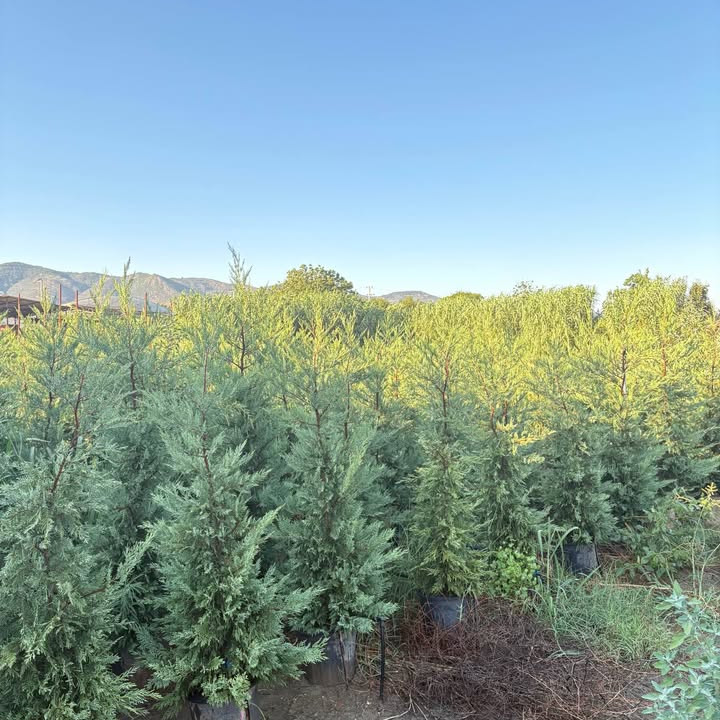
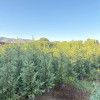
Leylandii plant (Cupressocyparis leylandii), commonly known as Leyland cypress, is a fast-growing evergreen conifer used around the world for garden hedges, privacy screens, property boundaries, windbreaks and professional landscape projects. Its dense green foliage, upright growth habit and ability to remain evergreen throughout the year make Leylandii a practical choice when a living green boundary is required.
This comprehensive product guide explains what Leylandii is, how it is used, how to choose the right plant, recommended hedge spacing, planting techniques, watering, soil care, pruning, container growing, common problems and the factors that affect Leylandii plant prices. It is intended for homeowners, gardeners, landscape designers, contractors, architects, property developers and anyone planning an evergreen hedge or privacy planting.
Get a Quote and Information Today
What Is a Leylandii Plant?
Leylandii is a hybrid evergreen conifer identified botanically as Cupressocyparis leylandii. In English-speaking markets it is generally called Leyland cypress or Leylandii. In landscaping, it is valued primarily for its evergreen foliage, dense branching and vigorous development under suitable conditions.
A Leylandii plant can be grown as part of a continuous hedge or used as an individual specimen. When several plants are installed in a carefully measured line, their foliage can gradually form a visual screen. This makes Leylandii particularly useful where a property owner wants more privacy without relying exclusively on masonry walls, metal fencing or other hard boundary systems.
Leylandii is suitable for many landscape settings, including detached homes, villas, residential developments, gardens, commercial properties, hotels, recreational spaces and larger landscape projects. The final appearance depends on the plant size, spacing, soil, irrigation, sunlight, pruning and the desired height of the finished hedge.
Why Is Leylandii Popular for Evergreen Hedges?
The main attraction of a Leylandii hedge is its combination of evergreen foliage and relatively vigorous growth. A well-maintained row can provide a strong green background throughout the year and can be shaped into a formal boundary.
- Evergreen structure: foliage remains present through the seasons, providing year-round landscape structure.
- Dense growth: closely planted specimens can develop into a continuous visual screen when properly maintained.
- Fast development: the supplied growing guide describes approximately 60–100 cm of annual growth under suitable conditions; actual growth varies with climate, soil, water, nutrition and plant age.
- Pruning flexibility: regular trimming can maintain a formal hedge, while less frequent pruning allows a more natural appearance.
- Privacy and screening: the plants can be used to create green boundaries around gardens, patios, pools and property edges.
- Landscape versatility: Leylandii works with modern, traditional, Mediterranean and naturalistic garden designs.
Leylandii Varieties and Colour Options
Classic Green Leylandii
The classic green form is the familiar choice for evergreen hedges. Its dark green foliage creates a calm, consistent background and works particularly well where privacy and boundary definition are the main objectives.
Goldrider Leylandii
Goldrider Leylandii is valued for its golden and green foliage. It can be used to introduce colour contrast into a hedge or as an accent plant beside paths, entrances and contemporary buildings. Exact colour intensity depends on the cultivar, sunlight and growing conditions.
Blue-Grey Cypress Forms
Blue or blue-grey evergreen conifers can be considered when a cooler foliage palette is desired. They can complement modern architecture, stone surfaces and Mediterranean-style planting. When purchasing a named cultivar, confirm its exact botanical identity and growing requirements with the supplier.
How Far Apart Should Leylandii Be Planted?
Leylandii spacing is one of the most important decisions in a hedge project. The correct distance depends on the starting size of the plants, the desired density, available space and the amount of time allowed for the hedge to close visually.
- 50–60 cm: a relatively dense arrangement for projects where a compact hedge is desired.
- 70–80 cm: a wider standard hedge arrangement that gives individual plants more room.
- 1.5–2 metres: a more open layout for plants intended to develop as individual specimens rather than as a continuous hedge.
These figures are planning references, not universal rules. Larger plants may require different spacing from smaller nursery plants. Site conditions, irrigation, soil fertility, the intended final height and maintenance method should also be considered.
How Many Leylandii Plants Do You Need?
For a preliminary estimate, divide the total planting-line length by the selected spacing. For example, a 30-metre boundary at 0.60 m spacing gives approximately 50 planting positions before considering the exact treatment of corners and end points.
Basic formula: Total hedge length ÷ planting spacing = approximate number of Leylandii plants.
For a real project, the final quantity should be checked against gates, corners, entrances, changes of direction and the exact position of the first and last plant. A measured plan is recommended for larger installations.
How to Plant Leylandii
- Measure the planting line: mark the complete boundary and identify corners, gates and access areas.
- Prepare the soil: remove weeds and loosen compacted ground. Improve drainage where necessary.
- Prepare holes or a trench: provide sufficient room for the root ball without burying the root collar too deeply.
- Set a straight line: use a string line so the finished hedge follows the intended boundary.
- Position each plant: maintain the selected spacing consistently.
- Backfill carefully: refill around the root ball and reduce large air pockets without excessive compaction.
- Water after planting: provide thorough initial irrigation so the soil settles around the roots.
- Continue establishment care: monitor moisture, weeds and plant stability during the early growing period.
Leylandii Soil and Site Requirements
Leylandii can adapt to a range of garden soils, but good drainage is important. Heavy, permanently saturated soil can create root stress. If the planting area is compacted, improving soil structure before planting is preferable to trying to correct serious drainage problems after the hedge is established.
A sunny or partly shaded location can be suitable, depending on the plant and local conditions. Adequate light generally supports dense foliage. When designing a hedge beside walls, buildings or other trees, allow sufficient space for future growth and maintenance access.
Leylandii Watering Guide
Watering should be based on soil moisture, weather, plant size and establishment stage rather than on a fixed schedule alone. Newly planted Leylandii require closer monitoring because their root systems have not yet explored the surrounding soil.
Drip irrigation is useful for long hedge lines because water can be delivered near the root zone. During hot and dry periods, inspect the soil regularly. Sandy soil can dry faster, while heavy soil may remain wet for longer. Avoid keeping the root zone permanently saturated.
First Establishment Period
During the establishment period, consistent moisture is important. Water deeply enough to moisten the root zone, then allow the soil to drain appropriately. The exact frequency should be adjusted according to temperature, rainfall, soil texture and exposure.
Established Plants
Established plants are generally more resilient than newly planted specimens, but prolonged drought can still cause stress. Check the soil during extended dry periods and adjust irrigation according to local conditions.
Fertilizing Leylandii Plants
Fertilizer should be selected according to soil fertility and plant requirements. A soil test is the most reliable way to determine whether nutrients are deficient. Excess fertilizer can damage roots and does not automatically produce better growth.
Organic matter may be used where appropriate to improve soil structure. If a commercial fertilizer is used, follow its label instructions and local horticultural recommendations. Avoid applying high rates simply to force faster growth, especially when the plants are already stressed by heat, drought or poor drainage.
How to Prune a Leylandii Hedge
Regular pruning is essential when Leylandii is being used as a formal hedge. Because the plant can grow vigorously, it is easier to maintain the desired dimensions through routine light trimming than through severe corrective pruning after the hedge becomes overgrown.
When to Prune Leylandii
The most appropriate pruning period depends on local climate and the annual growth cycle. Light formative trimming can be planned during active growth periods. Avoid aggressive pruning during extreme heat, severe drought or immediately before stressful weather conditions.
Get a Quote and Information Today
How to Shape a Leylandii Hedge
For a formal hedge, the lower portion is often kept slightly wider than the top. This helps light reach the lower foliage and supports a balanced shape. Use clean, sharp tools and remove damaged or diseased material appropriately.
A key principle is to avoid cutting deeply into old, completely bare brown wood. Evergreen conifers may have limited ability to regenerate from areas without green foliage. Maintaining the hedge with regular moderate pruning can reduce the need for drastic cuts later.
Leylandii Problems: Yellowing, Browning and Drying
Yellow, brown or dry foliage can have many causes. Diagnosis should come before treatment. Common factors include water stress, poor drainage, excessive planting density, natural interior shading, pruning damage, pests and fungal diseases.
- Water shortage: prolonged dry soil can cause foliage stress and browning.
- Excess water: poorly drained soil can create root stress and conditions associated with root disease.
- Natural interior shading: dense outer growth can reduce light inside the plant, causing some older internal foliage to decline.
- Overcrowding: extremely close planting increases competition for light, water and nutrients.
- Pruning into old wood: severe cuts can leave permanently bare areas.
- Pests or disease: mites, scale insects and fungal problems can produce discoloration and dieback.
If symptoms are widespread, rapidly progressing or difficult to identify, professional horticultural diagnosis is recommended. Plant-protection products should only be used when appropriate and strictly according to the product label and applicable regulations.
Can Leylandii Grow in Pots?
Yes. Leylandii in containers can be used on terraces, balconies, entrances and other hardscape areas. Container plants have a restricted root volume, so they need closer monitoring than plants established directly in the ground.
Use a container with effective drainage holes and enough volume for the root system. Container soil can dry much faster than garden soil during hot weather, so moisture should be checked frequently. At the same time, avoid constant saturation.
As the plant grows, roots can eventually fill the container. Depending on the plant size and growing conditions, repotting, root management or stronger pruning may be necessary. Container-grown Leylandii can be particularly useful when a green privacy screen is required on a terrace or paved area where direct planting is impossible.
Leylandii for Privacy Screens and Garden Boundaries
A Leylandii privacy screen can define outdoor rooms and separate different areas of a property. It can be used around gardens, patios, swimming pools, driveways and property boundaries. The final level of privacy depends on plant height, foliage density, spacing and pruning.
When planning a screen, consider the mature dimensions of the plants rather than only their current nursery size. Leave appropriate maintenance access and consider nearby buildings, utilities, paths and neighbouring properties. A professional landscape plan can help prevent future problems caused by insufficient space.
Leylandii in Landscape Design
Leylandii is not limited to straight privacy hedges. It can also act as a background plant, visual divider or architectural green element. A dark green hedge can provide contrast for lighter stone, paving, ornamental grasses and flowering shrubs.
- Villa gardens: use Leylandii to define property boundaries and create a green background.
- Residential projects: create consistent evergreen screening around shared outdoor areas.
- Pool areas: use green planting to soften hard surfaces and improve visual separation.
- Commercial landscapes: define boundaries and screen service areas where appropriate.
- Garden entrances: use clipped evergreen forms to frame paths and gates.
Leylandii Plant Prices and Buying Guide
Leylandii plant prices vary according to plant height, age, root system, container size, branching density, form, availability, quantity and delivery requirements. A small nursery plant and a large established specimen should not be compared only by unit price because production time, handling and transport can be substantially different.
What Affects the Price?
- Plant height and age: larger plants normally require more nursery time and handling.
- Container or root volume: larger root systems can increase production and transport costs.
- Branching and shape: dense, well-formed plants can provide a stronger immediate hedge appearance.
- Quantity: large orders should be quoted according to the exact project requirement.
- Availability: current nursery stock can affect price and lead time.
- Delivery: plant size, distance and transport conditions can influence total project cost.
For an accurate quotation, provide the desired plant size, approximate number of plants, planting-line length and delivery location. Current availability and pricing should always be confirmed at the time of purchase.
How to Choose Healthy Leylandii Plants
When selecting plants, inspect the overall form rather than relying only on height. Look for healthy foliage, a strong central leader and a stable root system. For hedge projects, consistency between plants is important because significant differences in size can make the finished row look uneven.
- Check that the foliage looks healthy for the cultivar.
- Look for excessive unexplained browning or widespread dieback.
- Inspect the main leader for major damage.
- Check the root ball or container condition where possible.
- Select plants with reasonably consistent size and form for a continuous hedge.
Leylandii for Residential and Commercial Projects
Small gardens may need only a few plants, while villas, housing developments, hotels, commercial properties and landscape projects can require large quantities. For larger orders, consistent plant specification, quantity planning, delivery and planting logistics become increasingly important.
MT Altaş İnşaat & Peyzaj supplies Leylandii plants for residential landscaping and project requirements. For a quotation, the required plant size, estimated quantity, hedge length and delivery information should be confirmed so the appropriate product and logistics can be planned.
Frequently Asked Questions About Leylandii
How fast does Leylandii grow?
The supplied product guide describes approximately 60–100 cm of annual growth under suitable conditions. Actual growth can be slower or faster depending on climate, soil, water, nutrition, sunlight, plant age and maintenance.
Does Leylandii stay green in winter?
Yes. Leylandii is an evergreen conifer and is used for its year-round foliage and landscape structure.
What is the best spacing for a Leylandii hedge?
The supplied guide uses 50–60 cm as a dense hedge reference and 70–80 cm for a wider standard hedge. The best spacing depends on starting plant size and the desired final appearance.
Can Leylandii be planted in a pot?
Yes. It can be grown in suitable containers with good drainage and enough root volume. Container plants require closer attention to water, nutrition and root space.
Can Leylandii be used as a privacy hedge?
Yes. Its evergreen foliage and dense branching habit make it suitable for privacy screens, boundary hedges and green partitions.
Why is my Leylandii turning brown?
Possible causes include drought stress, poor drainage, excessive density, natural interior shading, pruning damage, pests or disease. The correct cause should be identified before treatment.
How should Leylandii be pruned?
Maintain the desired dimensions with regular moderate trimming and avoid severe cuts into old, leafless brown wood. For formal hedges, keeping the lower section slightly wider can help maintain balanced light exposure.
What determines Leylandii plant prices?
Plant height, age, root and container size, branching density, form, quantity, availability and delivery requirements can all affect the price.
Buy Leylandii Plants from MT Altaş İnşaat & Peyzaj
Choosing the right Leylandii plant is the first step toward creating a successful evergreen hedge. The final result also depends on correct spacing, soil preparation, irrigation, nutrition and regular pruning. Whether the project is a small private garden, a villa boundary, a privacy screen or a larger professional landscape, planning the plant specification and quantity in advance can make the installation more efficient.
MT Altaş İnşaat & Peyzaj offers Leylandii plants for garden, hedge and professional landscaping applications. For current product availability, plant size, quantity planning and project quotation, contact the MT Altaş team with your approximate hedge length and required plant specification.
Related search terms: Leylandii plant, Leyland cypress, Leylandii tree, Leylandii hedge, Leylandii privacy screen, evergreen hedge plant, fast growing hedge plant, Leylandii spacing, Leylandii planting, Leylandii care, Leylandii pruning, Leylandii price, Leyland cypress for privacy, evergreen garden screening, Cupressocyparis leylandii.
Customer Experiences, Application Areas and Official Technical Responses
Verified customer feedback is presented professionally with product selection details, application-area labels and official MT Altas technical responses.