






Ask a Question About This Product
Product Summary
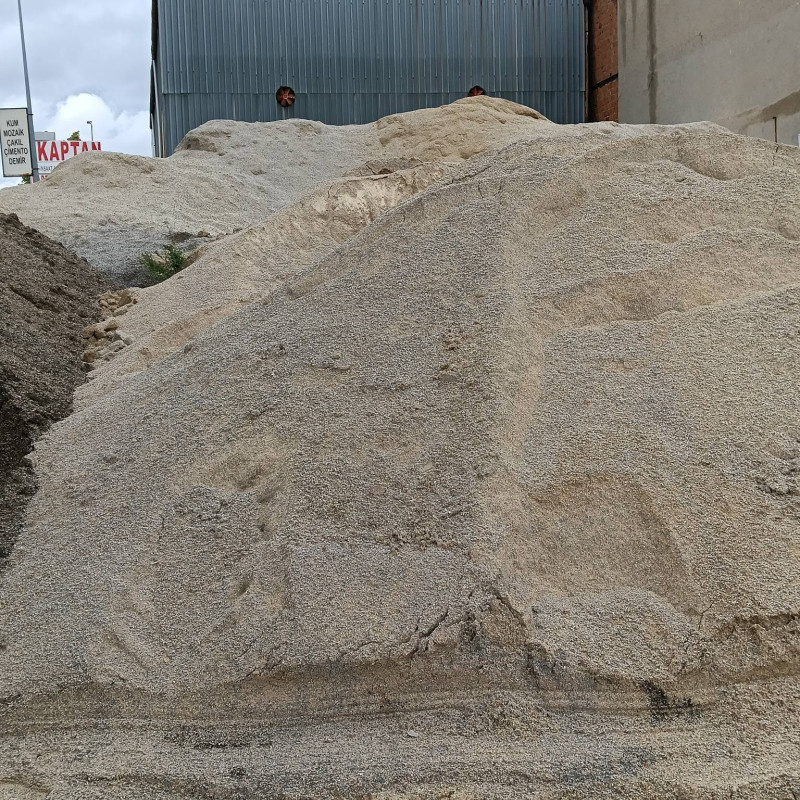
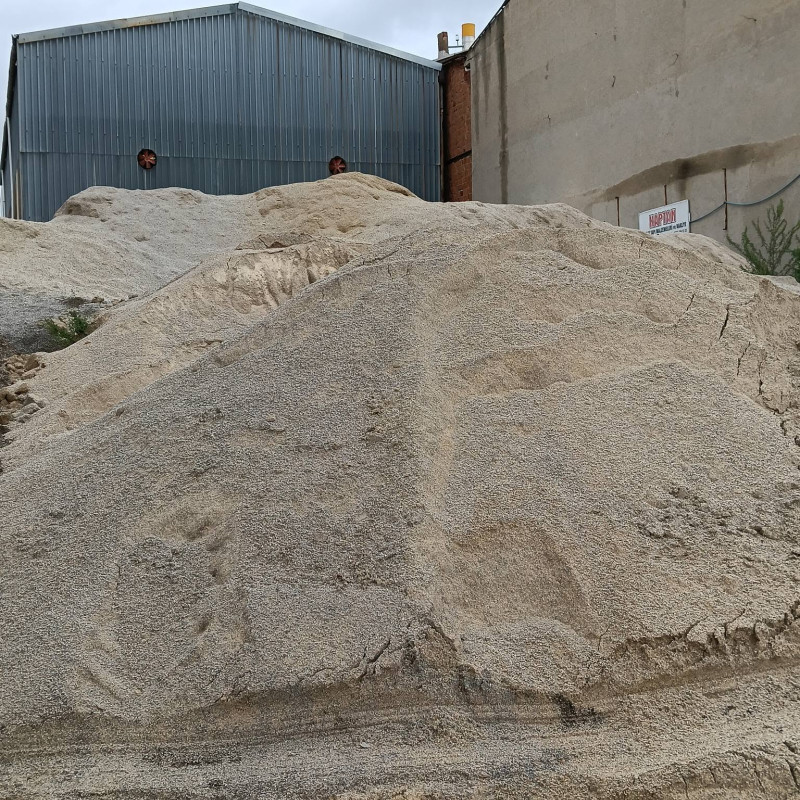
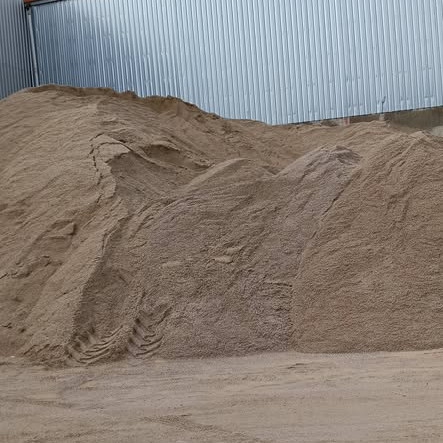
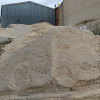
0-4 mm Stone Dust & Interlocking Paver Bedding Sand
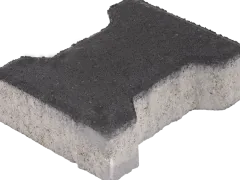
0-4 mm stone dust (crushed fine aggregate) is a high-performance fine aggregate used as both a bedding layer and joint-filling material in interlocking pavers, concrete paving blocks, natural cube stone, andesite slabs, and decorative stone applications. Produced by crushing and screening hard rocks such as limestone, basalt, or granite, its angular and cubic particle shape delivers excellent interlocking performance when compacted.
Technical Specifications & Quality Standards
0-4 mm stone dust is one of the most critical layers in interlocking and natural stone paving systems. As a bedding layer, it allows the pavers to settle properly, absorbs minor thickness tolerances, and helps distribute loads evenly. When used as joint fill, it creates mechanical interlock between the stones and prevents horizontal and vertical movement.
Key Product Features & Advantages
- High compaction and interlocking capacity: Angular crushed particles lock together after plate or roller compaction, significantly reducing settlement and wheel-track deformation over time.
- Controlled water permeability and drainage balance: Allows surface water to drain into the sub-base in a controlled manner, minimizing ponding and freeze-thaw heave risk during winter.
- Excellent bedding performance: Ensures full contact under the pavers and compensates for millimetre-level production tolerances, resulting in a smooth and level surface.
- Resistance to erosion and washout: Unlike river sand, it does not easily wash out of joints during heavy rain or joint cleaning.
- High internal friction angle: Angular particle shape provides superior shear resistance under load, making it ideal for parking areas and vehicle traffic zones.
Technical Data Table
| Technical Parameter | Value / Standard | Description |
|---|---|---|
| Particle Size (Grading) | 0 – 4 mm | Compliant with TS EN 933-1 sieve analysis |
| Loose Bulk Density | 1.35 – 1.45 t/m³ | Reference value for transport and storage |
| Compacted Density | 1.60 – 1.75 t/m³ | Target density after on-site compaction |
| Material Type | Crushed fine aggregate | Limestone / basalt origin |
| Particle Shape | Angular, cubic, non-rounded | High internal friction angle |
| Relevant Standards | TS EN 13242 / TS EN 12620 | Full compliance with construction and road infrastructure standards |
Supply & Packaging Options
0-4 mm stone dust supplied by MT Altaş İnşaat is available in three different formats depending on project scale and site logistics:
- Bulk (per tonne / m³): Ideal for large-scale parking areas, roads, sidewalks, and industrial paving projects. Delivered by truck or trailer.
- Big Bag (1-tonne reinforced bags): Suitable for restricted access sites, urban construction zones, multi-storey buildings, and landscaped gardens. Can be unloaded by crane.
- Retail bags (25-40 kg): Convenient for small garden projects, local repairs, and DIY applications.
Application Areas
0-4 mm stone dust is widely used in the paving industry both as a load-bearing bedding layer and as a joint-filling material.
Interlocking Concrete Pavers & Concrete Block Bedding
A 3–5 cm layer of 0-4 mm stone dust is spread over the concrete or mechanical sub-base to create an ideal bedding course for interlocking pavers.
- Pedestrian paths and garden applications: Provides a flexible, settlement-resistant surface for high foot-traffic areas.
- Parking areas and vehicle access roads: Distributes vehicle loads over a wider area, reducing local settlement and wheel-track deformation.
Begonite, Natural Cube Stone & Andesite Coverings
- Natural cube stone (granite / basalt): Absorbs height differences under the cubes and ensures full contact with the base.
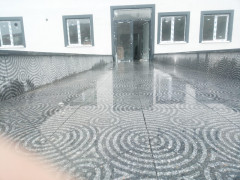
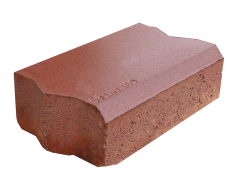
- Begonite and decorative stones: Prevents stone movement in circular or curved patterns and maintains design integrity.
Joint Filling (Interlocking) Applications
- Mechanical interlocking: Fills the gaps between adjacent stone edges and prevents individual units from shifting sideways or lifting.
- Resistance to wind and rain: Fine, well-graded particles remain in the joints and do not wash out easily under heavy rainfall.
Recommended Layer Thicknesses
| Application Area | Recommended Bedding Thickness | Joint Fill Requirement |
|---|---|---|
| Interlocking Pavers (6 cm / 8 cm) | 3 – 5 cm (uncompacted) | 3 – 5 kg/m² |
| Begonite & Cube Stone | 4 – 6 cm (uncompacted) | 6 – 8 kg/m² |
| Andesite & Slab Stone | 2 – 4 cm (uncompacted) | 2 – 4 kg/m² |
Step-by-Step Installation Guide
To achieve a durable, settlement-free paved surface with 0-4 mm stone dust, the following technical steps must be followed in sequence.
Step 1: Subgrade Preparation & Sub-base Compaction
- Excavation and levelling: Establish the correct level of the working area. Remove vegetation and loose topsoil.
- Mechanical sub-base: Spread 10–20 cm of 0-38 mm or 0-63 mm crushed aggregate before placing the stone dust.
- Sub-base compaction: Compact the mechanical base thoroughly with a plate compactor or roller while maintaining optimum moisture. Target at least 95% Proctor density.
Step 2: Spreading and Screeding the Stone Dust
- Place screed rails: Position steel pipes or profiles parallel on the compacted sub-base at the required bedding thickness (usually 3–5 cm).
- Spread the stone dust: Place 0-4 mm stone dust between the rails using a shovel or loader and distribute evenly with a rake.
- Screeding: Draw a straight aluminium screed across the rails to remove excess material and create a smooth, level bedding layer.
Critical Technical Note: Do not walk on or pre-compact the screeded stone dust layer. Pavers must be laid directly onto the loose, screeded bedding.
Step 3: Laying the Pavers and Line Control
- Lay interlocking pavers, begonite, or paving blocks onto the screeded stone dust according to the planned pattern.
- Use string lines from the corners to maintain straight edges. Leave a 2–3 mm joint gap between units.
Step 4: Joint Filling and Final Vibration
- After laying is complete, sweep dry 0-4 mm stone dust over the surface until all joints are completely filled.
- Run a rubber-soled plate compactor over the pavers. The vibration seats the units approximately 1 cm into the bedding layer.
- Sweep away excess stone dust from the surface. The area is now ready for use.
Quantity Calculation Methodology
Accurate quantity calculation prevents both material shortages and unnecessary surplus costs.
Basic Calculation Formulas
1. Bedding layer volume (m³)
Volume (m³) = Area (m²) × Bedding Thickness (m)
Example: For 100 m² with 4 cm (0.04 m) bedding → 100 × 0.04 = 4 m³
2. Tonnage calculation
Total bedding tonnage = Volume (m³) × 1.65 t/m³
Example: 4 m³ × 1.65 = 6.6 tonnes
3. Joint fill requirement
Joint fill tonnage = Area (m²) × 0.004 t/m²
Waste Allowance Criteria
- Straight rectangular areas: 5% waste allowance
- Curved, circular or complex-shaped areas: 8 – 10% waste allowance
Practical Quantity Table (for 100 m²)
| Bedding Thickness | Net Volume (m³) | Bedding Tonnage | Joint Fill | Waste (5%) | Recommended Order Quantity |
|---|---|---|---|---|---|
| 3 cm | 3.0 m³ | 4.95 t | 0.40 t | 0.27 t | ~5.6 tonnes |
| 4 cm | 4.0 m³ | 6.60 t | 0.40 t | 0.35 t | ~7.35 tonnes |
| 5 cm | 5.0 m³ | 8.25 t | 0.40 t | 0.43 t | ~9.1 tonnes |
Supply Options & Cost Factors
Packaging and Delivery Methods
- Bulk delivery (truck / trailer): Most economical option for projects of 50 m² and above. Material is tipped directly on site.
- Big Bag (1 tonne): Ideal for restricted access, urban sites, and multi-level buildings. Crane unloading possible; waste is kept to a minimum.
- Retail bags (25-40 kg): Suitable for small garden works and local repairs.
Main Cost Influencing Factors
- Distance from quarry / processing plant (transport can account for 30–50% of total cost)
- Order tonnage (full truck or trailer loads reduce unit transport cost)
- Unloading method (tipping vs. crane / telehandler)
- Whether the order is placed in m³ or tonnes
Common Mistakes and Recommended Solutions
Wrong Material Selection
Problem: Using river sand or silty fine sand instead of crushed stone dust.
Result: Rounded particles slide under load; silty materials turn into mud when wet, causing settlement.
Solution: Always use angular 0-4 mm crushed stone dust.
Compacting the Bedding Layer Before Laying Pavers
Problem: Compacting the screeded stone dust before the pavers are laid.
Result: The hard bedding cannot absorb thickness tolerances; pavers rock and edges begin to chip.
Solution: Leave the screeded stone dust loose. Compaction must be performed only after the pavers are in place using a rubber-soled plate compactor.
Incorrect Layer Thickness
Problem: Bedding thinner than 3 cm or thicker than 5 cm.
Solution: Keep the uncompacted bedding thickness strictly between 3 and 5 cm for standard interlocking and begonite applications.
Insufficient Joint Filling
Problem: Joints not fully filled with stone dust.
Result: Pavers shift under traffic and surface integrity is lost.
Solution: After laying, sweep dry 0-4 mm stone dust into the joints until completely full, then vibrate.
Frequently Asked Questions (FAQ)
1. How many tonnes does 1 m³ of stone dust weigh?
In loose condition approximately 1.35 – 1.45 tonnes. After compaction on site it reaches 1.60 – 1.75 tonnes per m³.
2. What thickness of stone dust should be used under interlocking pavers?
Uncompacted bedding thickness should be between 3 cm and 5 cm.
3. How much stone dust is required for 100 m²?
With 4 cm average bedding thickness + joint fill + 5% waste, approximately 7.35 – 7.50 tonnes is recommended.
4. Can river sand be used instead of stone dust?
No. River sand has rounded particles that slide under load and cause settlement. Always use 0-4 mm angular crushed stone dust.
5. Should the stone dust be compacted before laying the pavers?
No. The bedding must remain loose after screeding. Compaction is carried out only after the pavers have been laid, using a rubber-soled plate compactor.
6. Should I choose Big Bag or bulk delivery?
Bulk delivery is more economical for large open sites. Big Bags are preferable for restricted access, urban, or multi-level sites.
This technical guide has been prepared for applicators who want to achieve durable, settlement-free, and stable paved surfaces with interlocking and natural stone systems. Correct material selection, correct thickness, and correct installation sequence deliver professional long-term results.
Request a Quote or Technical Information
Our expert team is ready to assist you
Customer Experiences, Application Areas and Official Technical Responses
Verified customer feedback is presented professionally with product selection details, application-area labels and official MT Altas technical responses.