


-1500x1500h.jpeg-36x36.webp)




-1500x1500h.jpeg-240x180w.webp)


Ask a Question About This Product
Product Summary


Concrete Drainage Channel Systems and Stormwater Solutions
Modern construction projects require far more than durable surface materials and visually appealing infrastructure. One of the most critical yet often overlooked elements of any successful development is an efficient stormwater management system. Whether it is a commercial facility, industrial complex, municipal roadway, parking area, logistics center, residential development, or landscape project, the ability to control and redirect surface water directly impacts long-term durability, safety, maintenance costs, and overall project performance.
Concrete drainage channel systems have become one of the most trusted solutions for managing rainwater runoff and preventing surface water accumulation. As urbanization continues to increase worldwide, natural soil absorption is being replaced by impermeable surfaces such as concrete pavements, asphalt roads, paving stones, and hard landscaping materials. This creates a growing need for professional stormwater drainage solutions capable of handling large volumes of water efficiently.
At MT Altas Construction, we understand that drainage infrastructure is not simply a supporting component of a project. It is a fundamental engineering element that protects investments, improves operational safety, extends pavement life, and reduces future maintenance requirements. For this reason, our concrete drainage channel systems are designed to provide reliable stormwater control for both small-scale developments and large infrastructure projects.
What Is a Concrete Drainage Channel?
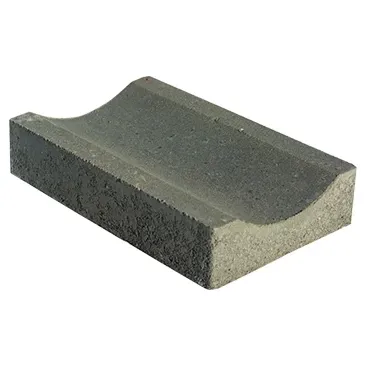
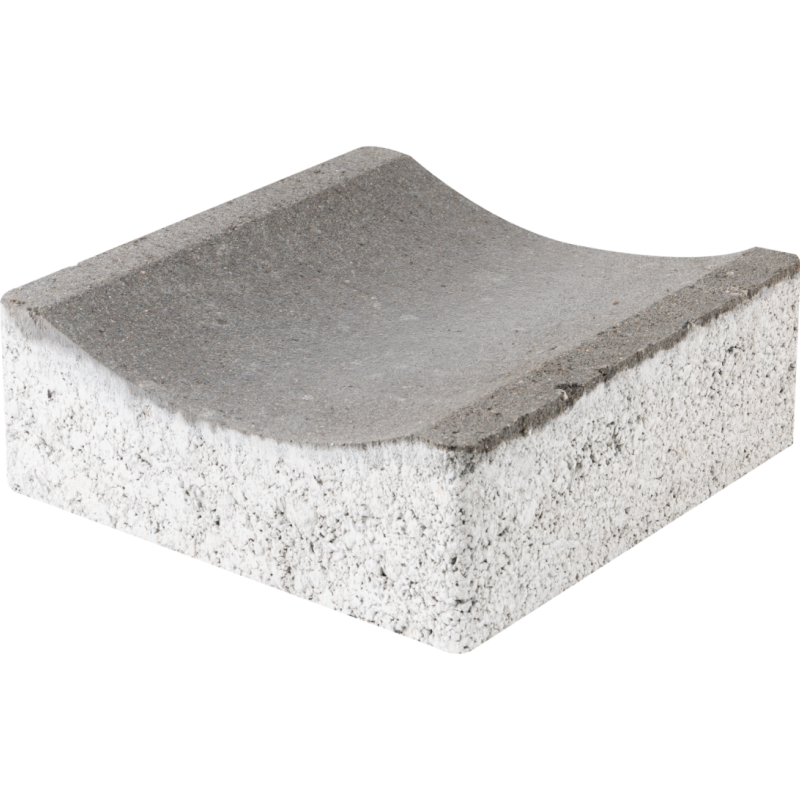
A concrete drainage channel is a specially engineered surface water management system designed to collect, direct, and discharge rainwater from roads, parking lots, industrial facilities, commercial developments, public spaces, and landscape applications.
Unlike temporary drainage solutions, concrete channels are designed for long-term structural performance. Their primary function is to prevent uncontrolled water accumulation that can damage surrounding infrastructure, create hazardous conditions, and reduce the lifespan of pavement systems.
Professional drainage channels typically work as part of a larger stormwater drainage network. Water is collected from surrounding surfaces and guided toward designated discharge points, helping maintain a dry, stable, and safe environment.
Concrete drainage channels are widely used because of their exceptional load-bearing capacity, resistance to environmental conditions, and ability to withstand heavy vehicle traffic over extended periods.
Why Stormwater Management Is More Important Than Ever
As cities continue to expand, stormwater management has become one of the most significant challenges facing modern infrastructure projects.
When rainwater is not properly controlled, it can cause a variety of costly problems, including:
Surface flooding
Pavement deterioration
Foundation moisture damage
Soil erosion
Structural settlement
Landscape degradation
Safety hazards for vehicles and pedestrians
Increased maintenance costs
Large commercial developments, industrial facilities, logistics centers, and municipal projects often experience substantial runoff during heavy rainfall events. Without an effective drainage system, this water can quickly accumulate and compromise the performance of the entire project.
This is why professional civil engineering projects prioritize stormwater drainage infrastructure during the planning phase rather than treating it as an afterthought.
The Advantages of Concrete Drainage Channel Systems
Compared to many alternative drainage solutions, concrete drainage systems offer several important advantages.
Superior Structural Strength
Concrete channels are capable of supporting heavy loads and continuous traffic conditions. This makes them ideal for:
Industrial zones
Freight terminals
Distribution centers
Parking facilities
Municipal roads
Commercial developments
Unlike lightweight alternatives, high-strength concrete drainage systems maintain structural integrity even under demanding operational conditions.
Long Service Life
One of the primary reasons engineers choose precast concrete drainage channels is durability.
A properly installed concrete drainage system can provide decades of reliable service while requiring minimal maintenance. This significantly reduces lifecycle costs and helps maximize return on investment.
Weather Resistance
Concrete drainage products are designed to perform under varying climate conditions.
They offer resistance against:
Heavy rainfall
Freeze-thaw cycles
UV exposure
Surface abrasion
Seasonal temperature fluctuations
This makes them suitable for a wide range of international environments and infrastructure applications.
Reduced Maintenance Requirements
Properly designed drainage systems help prevent water-related damage before it occurs.
Benefits include:
Less pavement deterioration
Reduced standing water
Lower repair costs
Improved operational safety
Enhanced infrastructure longevity
For municipalities and commercial property owners, reduced maintenance often translates into significant long-term savings.
Applications of Concrete Drainage Channels
Concrete stormwater channels are used across a wide variety of construction sectors.
Commercial Developments
Retail centers, shopping complexes, office parks, and mixed-use developments require efficient water management systems to maintain safe and attractive environments.
Drainage channels help protect:
Parking areas
Pedestrian walkways
Service roads
Loading zones
Public access areas
Industrial Facilities
Industrial sites often generate substantial runoff due to large paved surfaces.
Concrete drainage infrastructure is commonly installed in:
Manufacturing facilities
Logistics centers
Warehouses
Production plants
Freight terminals
The ability to withstand heavy equipment and truck traffic makes concrete systems particularly valuable in these environments.
Municipal Infrastructure Projects
Local governments rely on drainage channels for:
Road construction
Sidewalk systems
Public parks
Urban redevelopment projects
Transportation infrastructure
Efficient stormwater management contributes to safer and more resilient public spaces.
Residential and Landscape Projects
Modern residential developments increasingly incorporate professional drainage systems into landscape planning.
These systems help protect:
Driveways
Garden areas
Walkways
Community spaces
Decorative paving installations
Effective drainage improves both functionality and aesthetic performance.
Surface Water Drainage and Sustainable Infrastructure
Sustainable construction practices increasingly emphasize water management and environmental responsibility.
Effective stormwater control supports sustainability goals by:
Reducing localized flooding
Minimizing soil erosion
Protecting infrastructure assets
Supporting long-term urban resilience
Improving project lifecycle efficiency
Modern drainage engineering is no longer solely focused on water removal. It also plays an important role in responsible infrastructure development and environmental management.
AI-Powered Project Analysis and Smart Infrastructure Planning
At MT Altas Construction, we continuously invest in technology to improve project planning and customer experience.
Our AI-powered MT Pro V21 Smart Analysis System allows users to obtain preliminary project insights related to:
Material requirements
Quantity calculations
Infrastructure planning
Transportation considerations
Drainage channel assessments
Project-specific evaluations
The system is available online and helps customers gain a clearer understanding of potential project requirements before requesting a detailed professional quotation.
By combining practical construction experience with modern digital tools, MT Altas Construction continues to develop more transparent, efficient, and accessible infrastructure planning solutions for clients across different sectors.
Building Stronger Infrastructure with Professional Drainage Solutions
Concrete drainage channel systems are a critical component of modern construction and infrastructure development. Their role extends far beyond simple water collection. They protect investments, improve safety, reduce maintenance requirements, and contribute to long-term project performance.
Whether used in commercial developments, industrial facilities, municipal infrastructure, or landscape projects, professionally designed stormwater drainage systems provide reliable protection against the challenges created by uncontrolled surface water.
As infrastructure demands continue to grow worldwide, durable concrete drainage solutions remain one of the most effective methods for achieving sustainable, resilient, and high-performance construction outcomes.
Technical Specifications of Concrete Drainage Channels
Selecting the right concrete drainage channel system requires more than simply choosing a product based on dimensions or appearance. Engineers, contractors, architects, developers, and project managers must evaluate a range of technical factors that directly influence drainage performance, structural durability, maintenance requirements, and long-term operational efficiency.
A professionally designed stormwater drainage system must be capable of managing water runoff efficiently while maintaining structural integrity under varying environmental and traffic conditions. This is why technical specifications play a critical role in determining whether a drainage solution will perform successfully over its intended service life.
At MT Altas Construction, we emphasize both engineering reliability and practical field performance. Every drainage project should be evaluated according to hydraulic capacity, material quality, load-bearing performance, environmental resistance, and installation requirements.
Standard Dimensions and Channel Design
Concrete drainage channels are manufactured in various sizes depending on project requirements and expected water flow volumes.
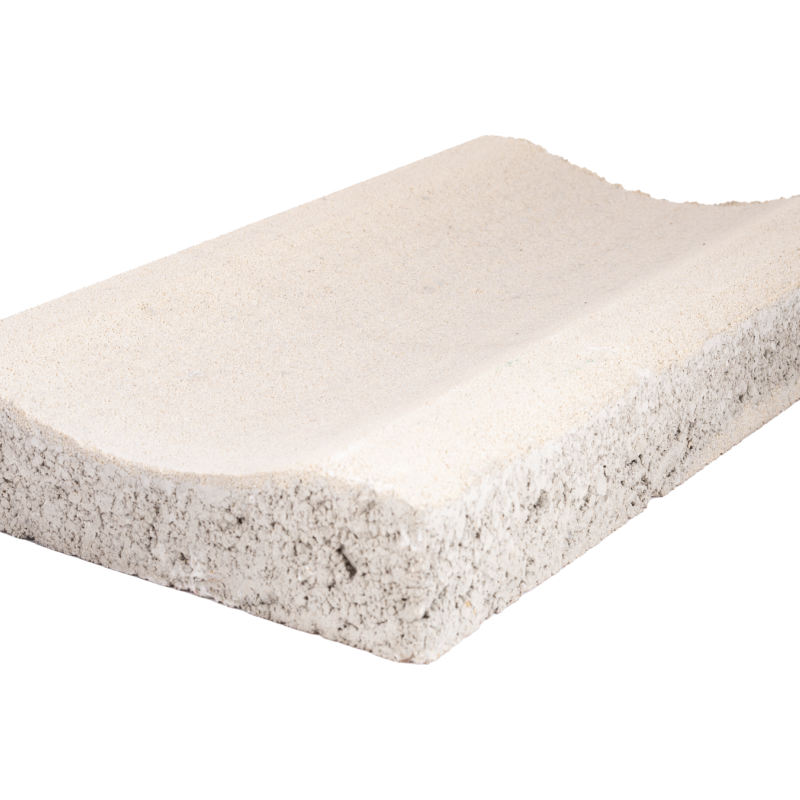
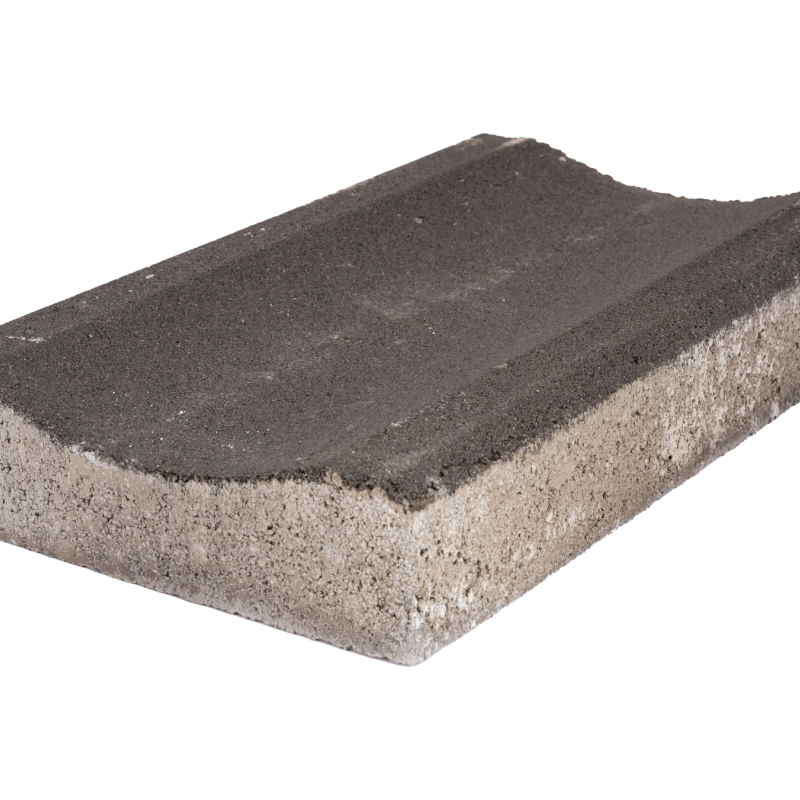
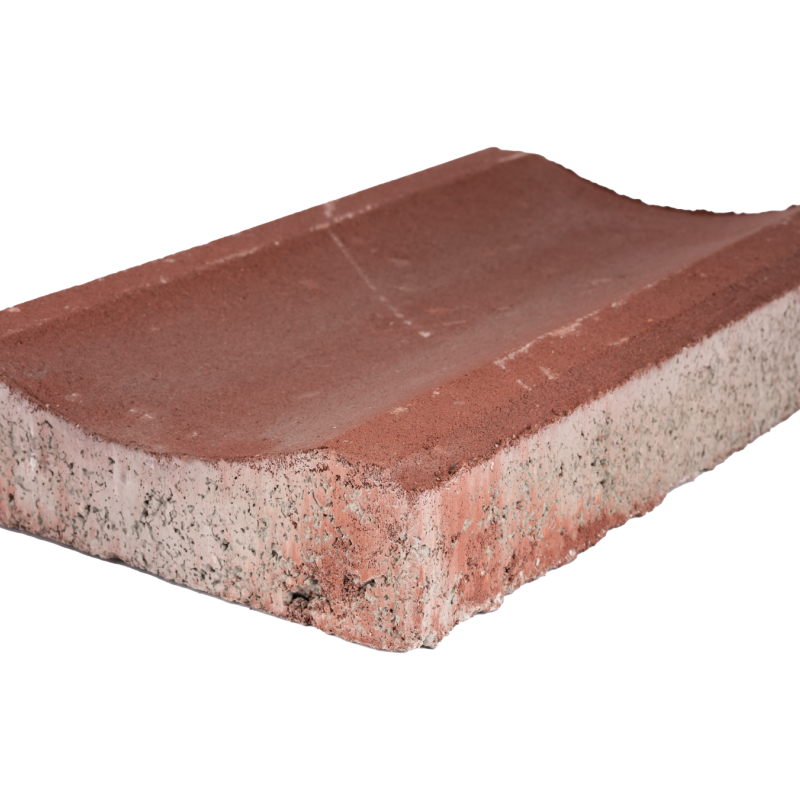
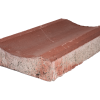
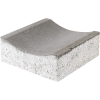
The 50x30x8.5 concrete drainage channel is one of the most widely used configurations for commercial, residential, and municipal infrastructure projects.
Typical characteristics include:
| Technical Parameter | Specification |
|---|---|
| Length | 500 mm |
| Width | 300 mm |
| Height | 85 mm |
| Material | High-Strength Concrete |
| Application | Surface Water Drainage |
| Installation Method | Concrete Bedding |
| Usage Areas | Roads, Parking Areas, Landscapes, Industrial Sites |
Proper sizing is essential because undersized drainage systems may lead to overflow, while oversized systems can increase unnecessary construction costs.
High-Strength Concrete Construction
The structural performance of a drainage channel depends heavily on the quality of the concrete used during manufacturing.
Professional drainage products are typically produced using carefully controlled concrete mixes designed to provide:
High compressive strength
Low water absorption
Enhanced durability
Improved resistance to wear
Long-term dimensional stability
Modern manufacturing methods frequently incorporate vibration and compression technologies to achieve optimal density and structural consistency.
These production methods significantly improve performance under demanding operational conditions.
Load-Bearing Capacity
One of the most important technical considerations for any drainage channel system is its ability to withstand imposed loads.
Concrete drainage channels are commonly used in environments exposed to:
Passenger vehicle traffic
Commercial vehicle traffic
Heavy truck traffic
Industrial machinery
Construction equipment
The required load class varies depending on the project.
For example:
Residential developments may require moderate load capacity.
Parking facilities often require medium to heavy-duty performance.
Logistics centers and industrial zones typically demand high-load solutions capable of handling continuous heavy vehicle movement.
Selecting the correct load classification helps ensure long-term durability while minimizing maintenance costs.
Hydraulic Performance and Water Flow Capacity
A drainage system's primary function is efficient water management.
Hydraulic performance depends on several interconnected factors:
Channel width
Channel depth
Longitudinal slope
Rainfall intensity
Surface area served
Outlet configuration
Water flow velocity
Even the strongest drainage channel can fail if hydraulic calculations are not performed correctly.
This is why professional drainage design typically involves careful evaluation of runoff volumes and expected rainfall conditions before installation begins.
Surface Water Collection Efficiency
Stormwater systems are designed to intercept and redirect runoff before it can accumulate on pavement surfaces.
Effective collection systems help prevent:
Surface flooding
Standing water
Premature pavement deterioration
Soil erosion
Safety hazards
Properly positioned drainage channels improve water capture efficiency and help maintain dry, usable surfaces during and after rainfall events.
Freeze-Thaw Resistance
In many regions around the world, drainage infrastructure must endure repeated freeze-thaw cycles.
Water that penetrates low-quality concrete can expand during freezing conditions, causing:
Cracking
Surface scaling
Structural weakening
Reduced service life
High-quality concrete drainage channels are manufactured to resist these environmental stresses.
This characteristic is particularly important in regions experiencing harsh winter climates, including Northern Europe, Canada, Northern United States, and mountainous regions throughout the world.
Abrasion Resistance
Drainage channels frequently experience abrasion caused by:
Vehicle tires
Sand particles
Gravel movement
Maintenance equipment
Environmental debris
Concrete products with strong abrasion resistance maintain their structural performance and appearance for significantly longer periods.
This becomes especially important in transportation infrastructure and industrial facilities where continuous traffic generates elevated wear levels.
Environmental Durability
Modern drainage systems must perform reliably despite constant exposure to environmental conditions.
Concrete drainage channels offer excellent resistance against:
UV radiation
Temperature fluctuations
Rainfall exposure
Moisture penetration
Surface weathering
These characteristics contribute to long service life and reduced replacement frequency.
Installation Requirements
Even the highest-quality drainage product cannot perform correctly if installation procedures are inadequate.
Professional installation typically includes:
Subgrade Preparation
The foundation must be properly compacted and stabilized before channel installation begins.
Concrete Bedding
A suitable concrete base distributes loads evenly and helps prevent settlement.
Alignment Control
Drainage channels must follow predetermined lines to maintain efficient water flow.
Slope Adjustment
Correct slope design ensures continuous water movement toward designated discharge points.
Joint Inspection
Connection points should be carefully checked to prevent leakage and maintain hydraulic continuity.
Proper installation directly affects both drainage performance and long-term structural stability.
Maintenance Considerations
One advantage of concrete drainage systems is their relatively low maintenance requirement.
Routine inspections typically focus on:
Debris removal
Sediment accumulation
Water flow verification
Joint condition assessment
Preventive maintenance helps maximize service life while ensuring consistent hydraulic performance.
Compliance with Engineering Standards
Professional infrastructure projects increasingly require products manufactured according to recognized quality and engineering standards.
Drainage channel systems are often evaluated according to criteria related to:
Material quality
Dimensional accuracy
Load performance
Durability requirements
Long-term reliability
Compliance with recognized standards provides additional confidence for contractors, engineers, municipalities, and project owners.
Why Technical Specifications Matter
The technical performance of a drainage system directly influences project success.
A properly specified concrete drainage channel can:
Extend pavement life
Improve site safety
Reduce maintenance costs
Protect infrastructure investments
Enhance stormwater management efficiency
Conversely, selecting an inappropriate drainage solution may lead to costly repairs, operational disruptions, and premature system failure.
For this reason, technical evaluation should always be considered a fundamental part of drainage channel selection.
By combining high-strength concrete construction, proven engineering principles, and modern installation practices, concrete drainage channel systems continue to provide one of the most reliable and cost-effective solutions for stormwater management projects worldwide.
Concrete Drainage Channel Systems in Commercial, Industrial and Municipal Projects
Concrete drainage channel systems play a vital role in modern infrastructure development. As construction projects continue to expand in scale and complexity, effective stormwater management has become one of the most important engineering priorities across commercial, industrial, municipal, and urban development sectors.
Poor drainage planning can significantly reduce the lifespan of infrastructure investments. Water accumulation often leads to pavement deterioration, structural weakening, foundation instability, surface erosion, and costly maintenance requirements. For this reason, professional drainage design is no longer considered an optional upgrade. It is an essential component of sustainable construction and long-term project performance.
At MT Altas Construction, we provide advanced concrete drainage channel solutions designed to meet the demands of modern infrastructure projects. Our systems help manage surface water efficiently while supporting heavy traffic loads, reducing maintenance requirements, and improving overall site safety.
Modern developments increasingly require integrated drainage infrastructure capable of performing reliably under demanding environmental conditions. Whether the project involves commercial facilities, industrial sites, municipal roadways, logistics centers, parking areas, landscape developments, or large-scale urban infrastructure, properly engineered drainage systems remain critical to long-term operational success.
Commercial Drainage Solutions for Modern Developments
Commercial construction projects often involve large paved surfaces that generate significant stormwater runoff during rainfall events.
Examples include:
Shopping centers
Retail developments
Business parks
Office complexes
Mixed-use developments
Hospitality facilities
Entertainment venues
Without an effective surface water drainage system, these areas may experience flooding, standing water, pavement damage, and reduced accessibility.
Concrete drainage channel systems help maintain:
Safe pedestrian movement
Vehicle circulation efficiency
Property protection
Long-term pavement durability
Professional site appearance
Commercial property owners increasingly prioritize durable drainage infrastructure because it directly contributes to lower maintenance costs and improved customer experience.
Industrial Drainage Channel Systems
Industrial facilities often present some of the most demanding drainage requirements.
Large production areas, loading zones, logistics terminals, warehouses, and manufacturing plants typically generate substantial water runoff due to extensive paved surfaces.
Industrial drainage channels must withstand:
Heavy truck traffic
Forklift operations
Continuous equipment movement
High load concentrations
Harsh operating environments
High-strength concrete drainage systems offer superior durability compared to many lightweight alternatives.
Industrial stormwater management solutions help prevent:
Operational disruptions
Water accumulation near equipment
Pavement degradation
Safety hazards
Infrastructure damage
For logistics and manufacturing facilities, reliable drainage performance directly affects operational continuity.
Municipal Stormwater Management Infrastructure
Cities and municipalities rely heavily on professional drainage systems to support public infrastructure.
Urban stormwater management projects frequently include:
Road drainage channels
Sidewalk drainage systems
Public transportation infrastructure
Public parks
Streetscape developments
Municipal parking facilities
Urban renewal projects
As urban populations continue to grow, municipalities face increasing pressure to improve flood resilience and infrastructure sustainability.
Concrete drainage channels help local governments achieve:
Improved water control
Reduced roadway flooding
Enhanced public safety
Lower infrastructure maintenance costs
Increased pavement lifespan
Proper drainage planning supports long-term urban development strategies while helping protect public investments.
Parking Lot Drainage Systems
Parking areas generate large volumes of runoff because paved surfaces prevent natural water absorption.
Without proper drainage infrastructure, parking facilities may experience:
Standing water
Surface deterioration
Vehicle safety concerns
Pedestrian slip hazards
Reduced pavement lifespan
Concrete trench drains and drainage channels provide effective solutions for managing runoff across parking environments.
Professional parking lot drainage systems are commonly installed in:
Shopping centers
Commercial developments
Airports
Hospitals
Stadiums
Educational facilities
Logistics centers
Effective drainage contributes significantly to user safety and infrastructure longevity.
Road and Transportation Drainage Infrastructure
Transportation networks require highly reliable stormwater management systems.
Road drainage channels help remove water from traffic surfaces, reducing risks associated with:
Hydroplaning
Surface deterioration
Erosion
Reduced visibility
Road damage
Modern transportation infrastructure frequently integrates concrete drainage channels into:
Highways
Municipal roads
Service roads
Access routes
Freight corridors
Proper drainage design helps maintain road safety while extending pavement service life.
Landscape and Urban Design Applications
Drainage systems are increasingly integrated into landscape architecture and urban design projects.
Professional drainage infrastructure helps protect:
Decorative paving
Walkways
Public plazas
Garden areas
Recreational spaces
Community developments
By managing runoff efficiently, drainage systems help preserve both functionality and visual quality.
Modern landscape projects often combine drainage infrastructure with paving systems such as:
Natural stone surfaces
Decorative concrete applications
Permeable paving systems
Concrete border systems
Urban hardscape installations
Projects that incorporate professional drainage planning generally experience fewer long-term maintenance issues.
Integration with Paving and Border Systems
Stormwater management should never be viewed as an isolated infrastructure component.
Professional drainage systems frequently operate alongside:
Concrete border installations
Road edging systems
Surface paving applications
Urban landscaping projects
Infrastructure transition zones
For example, commercial parking projects often integrate drainage channels with paving solutions such as natural stone applications, rectangular paving systems, concrete border structures, and site-specific surface designs.
Related infrastructure solutions may also include:
Concrete drainage channel systems
Border stone installations
Landscape edge protection
Surface paving systems
Urban hardscape construction
This integrated approach improves both engineering performance and project aesthetics.
For construction estimation and project planning, users can also explore the AI-supported MT Altas analysis platform:
Concrete Drainage Channel Systems Construction Estimation Software
Smart Infrastructure Planning with AI-Powered Analysis
As construction projects become increasingly complex, digital planning tools continue to play a larger role in infrastructure development.
The MT Pro V21 AI-Powered Smart Analysis System helps users obtain preliminary evaluations related to:
Quantity calculations
Material estimation
Drainage planning
Transportation assessments
Surface infrastructure analysis
Project-specific requirements
This allows project owners, contractors, developers, and planners to better understand potential infrastructure needs before requesting detailed engineering evaluations.
Why Concrete Drainage Systems Remain the Preferred Solution
Despite the availability of various drainage technologies, concrete drainage channels continue to be one of the most widely trusted solutions worldwide.
Their advantages include:
High structural strength
Long service life
Superior load-bearing performance
Reduced maintenance requirements
Excellent weather resistance
Reliable hydraulic performance
Infrastructure compatibility
These characteristics make concrete systems suitable for both small-scale developments and large infrastructure investments.
Conclusion
Concrete drainage channel systems represent one of the most important components of modern stormwater infrastructure. Their ability to protect assets, improve safety, reduce maintenance costs, and support sustainable urban development makes them essential across commercial, industrial, municipal, and landscape construction sectors.
As infrastructure requirements continue to evolve globally, professionally engineered drainage solutions remain critical for ensuring long-term project performance and environmental resilience.
By combining advanced construction experience, modern engineering principles, and AI-supported project analysis technologies, MT Altas Construction continues to provide reliable drainage infrastructure solutions for a wide range of construction and development projects worldwide.
Concrete Drainage Channel vs Plastic Drainage Channel: Which Is Better for Long-Term Performance?
One of the most common questions asked by contractors, engineers, developers, architects, and property owners is whether a concrete drainage channel or a plastic drainage channel provides the better long-term solution.
Both systems are designed to manage surface water and stormwater runoff. However, their performance characteristics, durability, maintenance requirements, load-bearing capabilities, and lifecycle costs differ significantly.
Selecting the correct drainage solution is critical because drainage infrastructure directly affects project longevity, maintenance expenses, safety, and operational efficiency.
The right choice depends on the project's requirements, expected traffic loads, environmental conditions, and long-term performance expectations.
Understanding the Difference Between Concrete and Plastic Drainage Systems
Concrete drainage channels are manufactured using high-strength concrete mixes specifically designed for infrastructure applications.
Plastic drainage systems are typically produced from polymer materials such as:
Polypropylene
PVC
HDPE
Polymer composites
While plastic channels may offer advantages in certain lightweight applications, concrete drainage systems remain the preferred solution for many commercial, industrial, municipal, and infrastructure projects worldwide.
Structural Strength Comparison
When evaluating drainage systems, structural strength is often the most important consideration.
Concrete drainage channels provide exceptional load-bearing performance and are capable of supporting:
Passenger vehicles
Commercial vehicles
Heavy trucks
Industrial equipment
Construction machinery
Plastic drainage systems generally perform well under lighter loads but may require additional reinforcement when exposed to heavy traffic environments.
Concrete Drainage Channel Advantages
Superior compressive strength
High impact resistance
Exceptional structural stability
Better performance under heavy loads
Reduced risk of deformation
Plastic Drainage Channel Advantages
Lightweight construction
Easier transportation
Faster installation in certain projects
Reduced manual handling effort
For high-traffic infrastructure projects, concrete systems typically provide greater confidence and reliability.
Durability and Service Life
Infrastructure investments are expected to perform for decades.
Concrete drainage systems are widely recognized for their long service life because they offer resistance against:
Mechanical wear
Surface abrasion
Vehicle loading
Environmental exposure
Structural fatigue
Properly installed concrete drainage channels can remain operational for many years with minimal maintenance requirements.
Plastic systems can also perform effectively but may be more susceptible to:
UV degradation
Impact damage
Structural movement
Long-term deformation under heavy loads
For projects requiring maximum durability, concrete drainage channels often provide a stronger long-term return on investment.
Performance Under Heavy Traffic Conditions
Heavy-duty applications place significant demands on drainage infrastructure.
Examples include:
Logistics centers
Freight terminals
Industrial facilities
Commercial parking areas
Distribution hubs
Municipal road networks
Concrete drainage systems are specifically designed to perform under these demanding conditions.
The rigid structure of concrete channels helps maintain alignment and hydraulic performance even after years of continuous vehicle traffic.
Plastic systems may require additional engineering support to achieve similar load capacities.
Resistance to Environmental Conditions
Drainage infrastructure must operate reliably despite changing weather conditions.
Concrete drainage channels provide excellent resistance against:
Extreme temperatures
Heavy rainfall
Freeze-thaw cycles
UV exposure
Surface weathering
These characteristics contribute to predictable long-term performance.
Plastic channels generally perform well in many environments but may experience greater thermal expansion and contraction, which can influence long-term stability.
Get a Quote and Project Information
Contact MT Altas Construction for concrete drainage channel systems, stormwater solutions, project planning, pricing information and professional technical support.
Professional construction, drainage channel and stormwater solution support for projects across Turkey.
Maintenance Requirements
Maintenance costs are a major factor when evaluating drainage solutions.
Concrete drainage channels typically require routine inspections and cleaning but generally experience fewer structural maintenance issues.
Benefits include:
Reduced repair frequency
Lower replacement rates
Improved lifecycle performance
Greater long-term reliability
Plastic systems can be easier to handle during maintenance activities due to their lighter weight, but structural repairs may be required sooner in demanding environments.
Hydraulic Performance Comparison
Both concrete and plastic drainage systems can achieve effective water management when properly designed.
Hydraulic performance depends on factors such as:
Channel dimensions
Flow capacity
Installation quality
Slope design
Outlet configuration
In many projects, hydraulic performance differences between concrete and plastic systems are relatively small when channels are correctly engineered.
The primary distinction often lies in durability rather than water flow capability.
Cost Considerations
Initial purchase price is only one part of the overall cost evaluation.
Professional infrastructure planning should consider:
Product cost
Installation cost
Maintenance cost
Repair cost
Replacement cost
Service life
A lower initial investment does not always result in lower lifecycle costs.
Concrete drainage systems often deliver stronger long-term value due to their durability and reduced replacement requirements.
Sustainability and Environmental Performance
Sustainable infrastructure development has become increasingly important worldwide.
Concrete drainage systems contribute to sustainability goals through:
Long service life
Reduced replacement frequency
Durable infrastructure performance
Lower lifecycle resource consumption
Modern drainage planning increasingly focuses on lifecycle performance rather than simply minimizing initial construction costs.
Best Applications for Concrete Drainage Channels
Concrete drainage channels are often the preferred solution for:
Industrial drainage systems
Commercial developments
Municipal infrastructure
Heavy-duty parking facilities
Logistics centers
Freight terminals
Public transportation projects
Road drainage systems
Urban infrastructure developments
Their structural reliability makes them particularly suitable for projects requiring maximum durability.
Best Applications for Plastic Drainage Channels
Plastic drainage systems may be appropriate for:
Residential gardens
Light landscape projects
Small pedestrian areas
Decorative drainage applications
Low-traffic environments
In these situations, lightweight installation and lower handling requirements can provide advantages.
Which Drainage System Should You Choose?
There is no universal answer that applies to every project.
The best drainage solution depends on:
Traffic conditions
Project scale
Environmental exposure
Design requirements
Maintenance expectations
Budget considerations
Long-term performance goals
For commercial, industrial, municipal, and infrastructure projects, concrete drainage channels remain one of the most trusted and widely specified drainage solutions available today.
Their combination of structural strength, durability, reliability, and lifecycle performance continues to make them the preferred choice for engineers and infrastructure professionals worldwide.
Professional Planning and AI-Assisted Project Evaluation
Selecting the right drainage system should always involve a professional evaluation of project-specific requirements.
To support planning and estimation processes, users can explore the MT Altas Construction AI-supported platform:
Concrete Drainage Channel Systems Construction Estimation Software
Through the MT Pro V21 AI Analysis System, users can obtain preliminary insights related to drainage planning, material estimation, project quantities, transportation considerations, and infrastructure requirements before requesting a detailed project assessment.
By combining engineering expertise with AI-supported analysis tools, MT Altas Construction helps clients make more informed infrastructure decisions while improving planning efficiency and project transparency.
How to Install Concrete Drainage Channels: Complete Installation Guide
Proper installation is one of the most important factors affecting the long-term performance of a concrete drainage channel system. Even the highest-quality drainage products can experience reduced efficiency if installation procedures are not carried out correctly.
Whether the project involves a commercial development, industrial facility, municipal roadway, logistics center, parking area, or landscape infrastructure, following established installation practices helps ensure reliable stormwater management, structural stability, and long-term durability.
This guide outlines the key stages involved in professional concrete drainage channel installation and highlights the engineering principles that contribute to successful drainage system performance.
Why Proper Installation Matters
Concrete drainage channels are designed to collect, direct, and discharge surface water efficiently. However, their effectiveness depends heavily on:
Accurate site preparation
Proper channel alignment
Correct slope design
Stable foundations
Quality bedding materials
Reliable outlet connections
Failure to address any of these factors can result in:
Standing water
Reduced drainage efficiency
Structural settlement
Channel movement
Premature pavement damage
Increased maintenance costs
Professional installation protects the entire drainage investment and helps maximize system lifespan.
Step 1: Site Assessment and Project Planning
Every successful drainage installation begins with a detailed site evaluation.
Engineers and contractors typically assess:
Existing terrain conditions
Surface water flow patterns
Soil characteristics
Project dimensions
Expected traffic loads
Local rainfall intensity
Discharge locations
Understanding these factors helps determine:
Channel dimensions
Drainage capacity requirements
Slope configuration
Structural support requirements
Proper planning reduces construction risks and improves long-term performance.
Step 2: Determining Water Flow Direction
One of the most critical elements of drainage design is understanding how water naturally moves across the project area.
Surface water should be directed toward designated collection points without interruption.
Engineers evaluate:
Natural terrain slopes
Low points within the site
Potential water accumulation areas
Existing drainage infrastructure
This information helps establish the optimal alignment for the drainage channel system.
Step 3: Drainage Slope Calculation
Drainage channels require a carefully designed longitudinal slope to maintain continuous water movement.
If the slope is too small:
Water may stagnate
Sediment may accumulate
Drainage efficiency may decrease
If the slope is too steep:
Water velocity may increase excessively
Erosion risks may increase
System performance may become inconsistent
Proper slo
Customer Experiences, Application Areas and Official Technical Responses
Verified customer feedback is presented professionally with product selection details, application-area labels and official MT Altas technical responses.