

Ask a Question About This Product
Product Summary
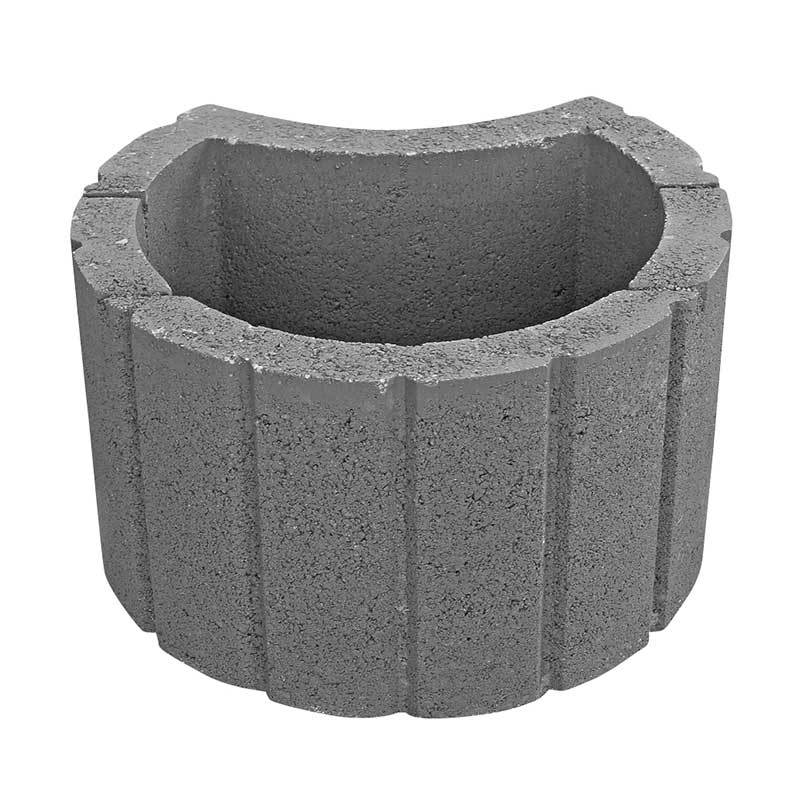
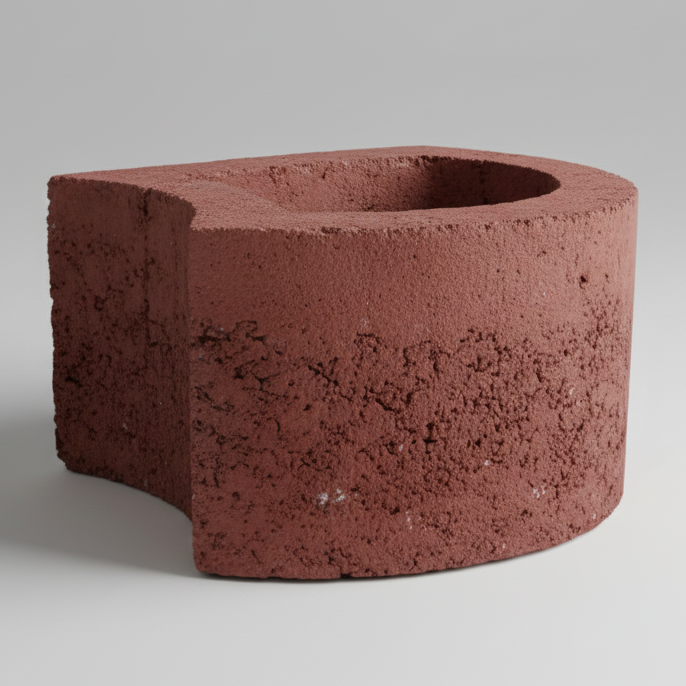
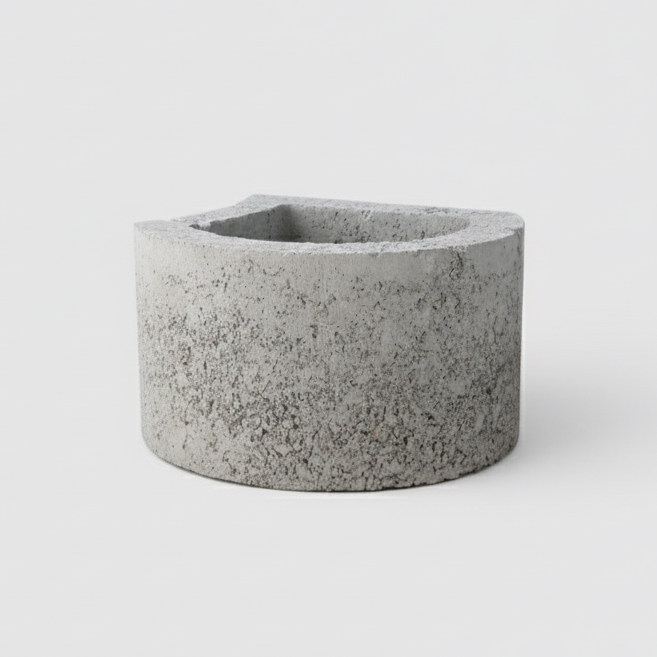
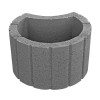
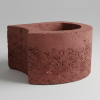
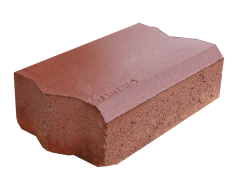
Decorative Concrete Slope Protection Block Planter
MT Altaş Smart Project Calculator
MT Altaş Calculator is a professional construction estimation software designed for interlocking pavers, curbstones, tile stones, marble, andesite, decorative stones, drainage channels, slope protection blocks, concrete and reinforcement product groups.
Quantity & Area Analysis
Calculates project area, square meter quantity, block consumption, pallet planning, tonnage and material requirements for professional infrastructure projects.
Logistics & Cost Planning
Supports transport distance, fuel price, delivery planning, waste ratio, labor cost and total project estimation with dynamic calculation logic.
Market-Based Pricing
Built to support updated factory pricing, market data and project-based cost optimization for construction and landscape applications.
The system helps contractors, engineers, landscape professionals and project managers prepare more accurate material calculations, logistics planning and quotation processes for modern construction projects.
It can be used for slope protection blocks, interlocking pavers, kerbstones, drainage infrastructure and other outdoor construction materials requiring quantity estimation, pallet analysis, tonnage calculation and cost control.
If the calculator does not load properly, open MT Altaş Calculator in a new tab .
Modern infrastructure, geotechnical engineering and landscape development projects require durable slope stabilization systems capable of controlling erosion, improving drainage performance and supporting long-term structural stability. Decorative Concrete Slope Protection Planter Blocks are engineered precast concrete solutions designed for erosion mitigation, embankment reinforcement and environmentally integrated retaining applications.
Unlike traditional solid retaining systems, these modular concrete planter blocks create a permeable reinforced surface that supports vegetation growth while improving rainwater infiltration and reducing hydrostatic pressure buildup. Their interlocking structure enhances terrain stability and allows efficient integration into modern drainage infrastructure and landscape architecture projects.
Widely used in highways, commercial developments, industrial infrastructure, riverbanks and stormwater drainage corridors, these systems combine structural engineering performance with architectural landscape aesthetics.
Core Engineering Advantages
- Improved erosion control performance
- High water permeability
- Reduced surface runoff
- Reinforced slope stabilization
- Long-term drainage efficiency
- Vegetation-friendly open-cell structure
- Lower maintenance requirements
- Sustainable landscape integration
These systems are commonly preferred for:
- highway embankment stabilization,
- retaining canal slopes,
- railway embankments,
- industrial drainage corridors,
- coastal erosion protection,
- commercial outdoor developments,
- stormwater management infrastructure.
What Is a Concrete Slope Protection Planter Block?
A Concrete Slope Protection Planter Block is a precast interlocking retaining system designed to stabilize inclined terrain while improving drainage performance and supporting vegetation growth. These modular concrete units are widely used in geotechnical stabilization projects where erosion prevention and long-term embankment protection are required.
The open-cell structure allows natural soil integration and water permeability, helping reduce hydrostatic pressure and minimizing surface erosion caused by rainfall or continuous water flow.
Compared to traditional retaining walls, decorative concrete planter blocks offer:
- faster installation,
- improved environmental integration,
- enhanced drainage performance,
- lower long-term maintenance,
- sustainable vegetation support.
Their modular structure distributes soil pressure efficiently across sloped surfaces while creating reinforced permeable retaining systems suitable for infrastructure and commercial landscape applications.
Applications of Concrete Slope Protection Blocks
Concrete slope stabilization systems are widely used across infrastructure and civil engineering projects requiring erosion control, drainage integration and terrain reinforcement.
Common Application Areas
Highway & Road Embankments
Used for roadside stabilization, bridge approaches and highway drainage protection against heavy rainfall and soil displacement.
Riverbanks & Canal Protection
Installed along drainage canals, riverbanks and water management corridors to reduce long-term erosion and improve embankment durability.
Industrial Infrastructure
Suitable for logistics facilities, factories, industrial drainage systems and infrastructure transition zones exposed to heavy environmental stress.
Commercial Landscaping
Integrated into parks, outdoor commercial developments and decorative retaining systems where structural reinforcement and visual landscape continuity are both required.
Sustainable Urban Drainage Systems
Their permeable structure supports rainwater infiltration and helps reduce surface runoff in sustainable drainage infrastructure projects.
Compatible infrastructure systems include:
- Interlocking Grass Pavers
- Begonit Stone Applications
- Concrete Garden Kerbstone Systems
Technical Specifications
Concrete Slope Protection Planter Blocks are manufactured using high-strength precast concrete technology engineered for long-term infrastructure durability.
Material & Structural Properties
- Concrete Class: C25/30 High-Strength Concrete
- Structure Type: Modular Interlocking System
- Product Type: Decorative Planter Slope Block
- Surface Type: Open-cell vegetation-friendly structure
- Approximate Dimensions: 30 × 40 × 20 cm
- Approximate Weight: 22 kg per unit
- Coverage Capacity: Approximately 10–12 units per m²
Engineering Performance
- High freeze-thaw resistance
- Improved permeability performance
- Surface erosion reduction
- Long operational lifespan
- High environmental durability
- Reinforced load distribution
Recommended Slope Usage
Suitable for slope reinforcement projects with medium and high drainage requirements where soil stabilization and erosion prevention are critical.
Why Slope Stabilization Matters
Slope instability can lead to:
- soil displacement,
- drainage failure,
- infrastructure damage,
- embankment collapse,
- long-term maintenance costs.
Modern geotechnical engineering increasingly prioritizes permeable stabilization systems capable of combining:
- structural reinforcement,
- drainage management,
- environmental sustainability,
- vegetation integration.
Concrete slope planter systems address all of these requirements within a single modular retaining structure.
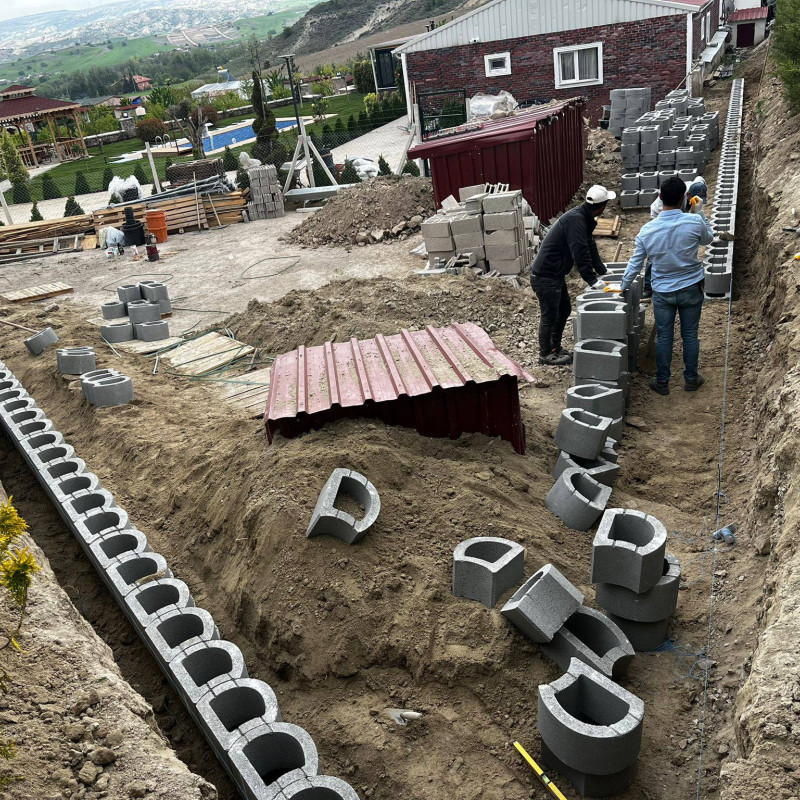
How to Install Concrete Slope Protection Planter Blocks
Proper installation significantly improves long-term infrastructure performance and drainage efficiency.
Installation Process
1. Ground Assessment
Analyze soil condition, slope angle, drainage requirements and terrain stability.
2. Base Preparation
Prepare a compacted aggregate foundation using crushed stone or gravel sub-base materials.
3. Drainage Infrastructure
Install perforated drainage pipes and stormwater flow channels before block placement.
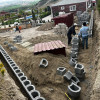
4. Block Placement
Place interlocking concrete blocks sequentially from the bottom upward while maintaining alignment consistency.
5. Soil Filling & Vegetation
Fill planter cells with suitable soil mixtures supporting natural vegetation growth.
6. Final Stabilization
Inspect drainage performance, alignment consistency and surface stability.
Concrete Slope Protection Blocks vs Traditional Retaining Systems
Advantages Over Traditional Retaining Walls
Traditional retaining walls often require:
- deeper foundations,
- higher construction costs,
- larger drainage systems,
- longer installation periods.
Concrete slope planter blocks provide:
- improved permeability,
- reduced hydrostatic pressure,
- modular flexibility,
- vegetation integration,
- lower maintenance costs.
Advantages Over Gabion Systems
Compared to gabion retaining systems:
- lower corrosion risk,
- improved architectural consistency,
- cleaner modular alignment,
- better landscape integration.
Environmental Sustainability & Drainage Performance
Concrete slope stabilization systems support sustainable infrastructure by:
- reducing surface runoff,
- improving groundwater absorption,
- supporting vegetation growth,
- minimizing erosion damage.
Their permeable open-cell structure contributes to modern sustainable drainage system standards increasingly used in infrastructure and landscape engineering projects worldwide.
Frequently Asked Questions
How many blocks are required per square meter?
Approximately 10–12 units per m² depending on slope geometry and installation spacing.
Are these systems environmentally friendly?
Yes. Their permeable structure supports vegetation growth and sustainable water management.
Can these blocks be used in stormwater projects?
Yes. They are widely used in stormwater drainage and embankment stabilization systems.
Are they suitable for heavy infrastructure projects?
Yes. Their reinforced precast concrete structure is suitable for highways, industrial developments and large-scale infrastructure projects.
Engineering & Infrastructure Benefits
Modern infrastructure projects increasingly require:
- erosion-resistant systems,
- permeable retaining structures,
- long-term drainage efficiency,
- sustainable landscape integration,
- durable geotechnical stabilization.
Decorative Concrete Slope Protection Planter Blocks combine engineering durability with modern environmental infrastructure standards, making them one of the most effective retaining and erosion control solutions for contemporary infrastructure development.
Get Professional Project Support
Contact MT Altaş Construction for professional slope stabilization, erosion control, drainage infrastructure and landscape engineering solutions. Get fast quotation support, technical consultation and project-based infrastructure assistance for your commercial or civil engineering projects.
Professional nationwide application support for infrastructure, drainage and landscape construction projects.