-1500x1500h.jpeg-36x36.webp)



-1500x1500h.jpeg-240x180w.webp)


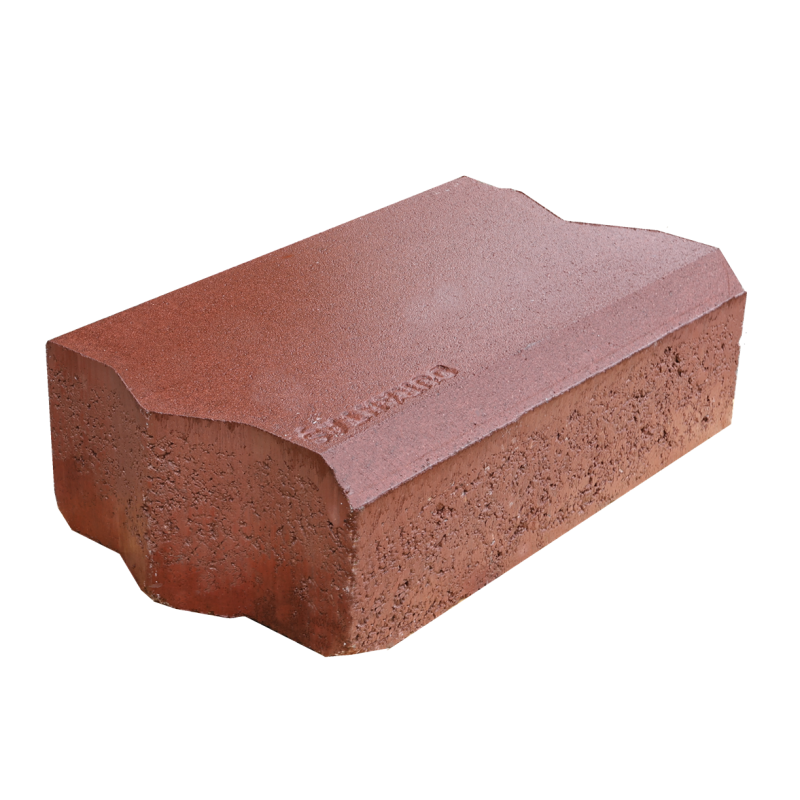
Ask a Question About This Product
Product Summary


What Is Curb Stone? Complete Guide for Landscaping, Roads and Outdoor Projects
Curb Stone Calculator PRO
Instantly calculate the estimated quantity, linear length, concrete requirement, labor, and total cost for your curb stone applications. Based on the results, you can quickly request a quote from MT Altaş İnşaat.
Enter Project Details
Estimated Results
Get a Professional Quote
Send your calculation result with one click. Our team will prepare a custom curb stone application quote based on your project measurements.
| Application Length | Approx. Curb Quantity | Qty with 5% Waste | Recommended System |
|---|---|---|---|
| 10 meters | 20 pcs | 21 pcs | Garden / Landscape |
| 25 meters | 50 pcs | 53 pcs | Garden / Park |
| 50 meters | 100 pcs | 105 pcs | Park / Road |
| 100 meters | 200 pcs | 210 pcs | Road / Large Area |
This software has been specially developed by Burhan Altaş.
Copying, unauthorized use of the source code, or publishing it on other websites
is prohibited under Turkish Intellectual and Artistic Works Law No. 5846.
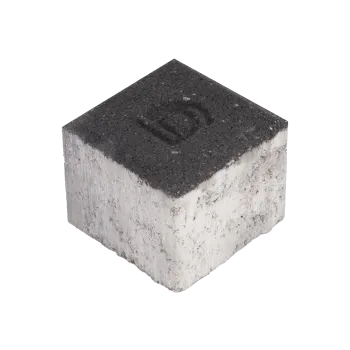
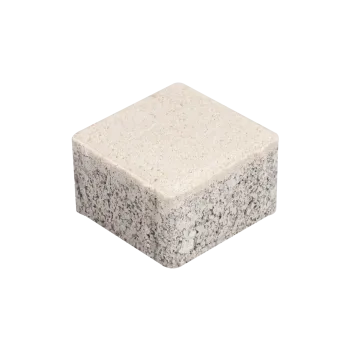
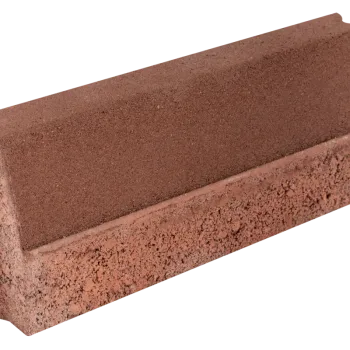
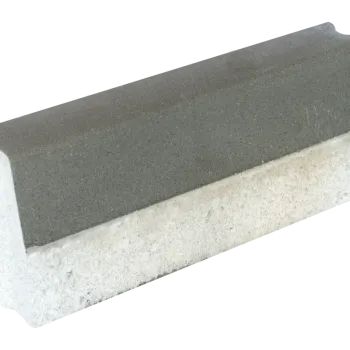
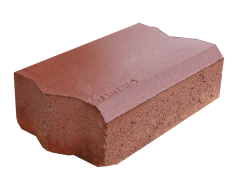
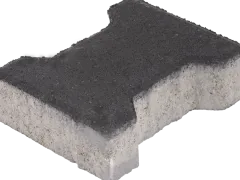
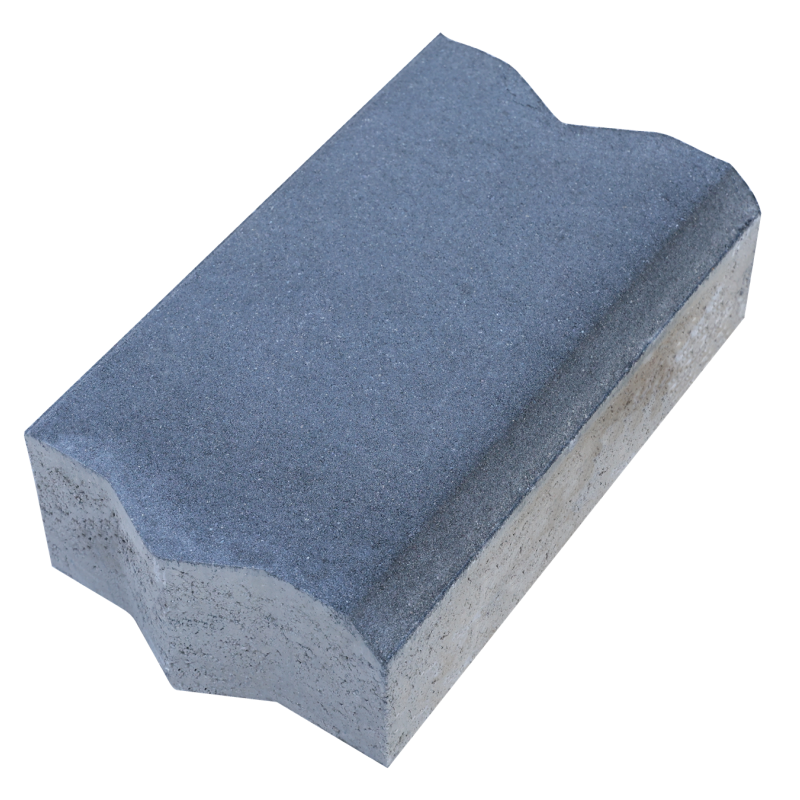
Curb stone is a durable edging element used to define, protect, and organize outdoor spaces. It is commonly installed along roads, pavements, garden borders, walkways, parking areas, landscape edges, and public infrastructure projects. In both residential and commercial environments, curb stones help create cleaner lines, stronger borders, and more controlled surface transitions.
In simple terms, curb stone acts as a structural and visual separator. It can divide pedestrian zones from vehicle routes, contain paving materials, protect landscape beds, and improve the overall appearance of outdoor areas. Because it performs both technical and aesthetic functions, it remains one of the most important components in paving and landscaping work.
Why Curb Stone Is Important in Outdoor Design
A well-designed outdoor project is not only about surface materials. It is also about edge control, durability, water guidance, spatial definition, and long-term performance. This is exactly where curb stone becomes essential. Without proper edge support, paving systems may spread, settle unevenly, or lose visual order over time.
Curb stones create a strong framework around paved surfaces and landscaped zones. They help maintain alignment, prevent material displacement, and improve project discipline. In public works, they also contribute to traffic organization and pedestrian safety by clearly separating different functional zones.
Main Uses of Curb Stone
Curb stone can be used in a wide range of exterior projects. The most common applications include roadside boundaries, pavements, parks, garden edging, villa landscaping, residential site planning, parking lots, walkways, public squares, school grounds, and infrastructure projects. In decorative applications, curb stones are also used to create clean transitions between green areas and hardscape surfaces.
In road projects, the main purpose is usually structural separation and durability. In landscaping projects, the focus is often border definition and appearance. In premium architectural work, both performance and material quality become equally important.
Types of Curb Stone
1. Concrete Curb Stone
Concrete curb stone is widely used in municipal, commercial, and standard infrastructure projects. It is practical, cost-effective, and suitable for many everyday applications. It is commonly preferred where function and budget are the main priorities.
2. Natural Stone Curb Stone
Natural stone curb solutions are preferred in projects where appearance, prestige, and long-term material quality matter. They offer a more authentic and premium finish compared to standard concrete products.
3. Andesite Curbstone
Andesite curbstone is one of the strongest natural stone options for outdoor boundary systems. It is known for its dense volcanic structure, durability, and architectural character. For landscaping, roads, public areas, and premium outdoor projects, andesite provides a timeless and professional finish.
If you want to see a real example of a product page that also works as a planning tool, you can review our Natural Andesite Curbstone page and use the integrated curb stone calculator.
Advantages of Curb Stone
- Creates clear and professional borders in outdoor projects
- Supports paving systems and helps maintain alignment
- Improves visual organization in landscaping and road layouts
- Protects green areas and surface edges from spreading or damage
- Works in both decorative and heavy-duty environments
- Can increase project durability and long-term stability
How to Choose the Right Curb Stone
The right curb stone depends on project type, traffic level, design expectations, and installation method. For decorative garden borders, smaller and more aesthetic profiles may be enough. For roadsides, parking areas, and public spaces, stronger and more structural solutions are usually required.
Material selection also matters. Concrete can be suitable for general-use projects, while natural stone and especially andesite may be a better choice for premium applications where visual quality and long-term durability are priorities.
What Should Be Considered Before Installation?
Before curb stone installation, the application length, level differences, ground strength, drainage conditions, traffic intensity, and edge purpose should all be evaluated. Base preparation is one of the most critical steps. A high-quality curb stone can still perform poorly if the base is weak, uneven, or incorrectly compacted.
Installation method is another key factor. Depending on the project, curb stones may be installed with concrete, mortar, or dry system logic. The correct choice should match the project’s expected load, environmental exposure, and design goals.
How to Estimate Quantity and Cost
One of the most common planning mistakes is estimating curb quantity only by visual guess. A better approach is to calculate according to total linear length, stone size, waste allowance, labor method, and concrete or mortar requirement. This gives a more realistic project budget.
Our product page for Natural Andesite Curbstone already includes a Curb Stone Calculator PRO, which is designed to estimate quantity, concrete or mortar requirement, labor cost, material cost, and approximate total project value.
Is Curb Stone Only for Roads?
No. Although curb stone is strongly associated with roads and pavements, it is also widely used in villas, gardens, landscape paths, parks, decorative borders, residential compounds, hotel projects, and outdoor architectural applications. In many premium projects, curb stone becomes part of the overall design language.
Why Andesite Is a Strong Premium Option
Andesite is often selected when a project needs both strength and visual character. Its natural stone texture, durable structure, and architectural appearance make it suitable for long-term outdoor use. In projects where a more refined and natural finish is desired, andesite stands out against standard alternatives.
Final Thoughts
Curb stone is far more than a simple border material. It is a functional system element that improves structure, appearance, edge control, and project quality. Whether you are planning a garden edge, a roadside border, a park layout, or a premium natural stone landscape, choosing the right curb stone can make a major difference.
If you are currently comparing options, reviewing installation types, or planning quantities, visit our Natural Andesite Curbstone product page to explore the material and use the integrated project calculator for a faster estimate.
Frequently Asked Questions About Curb Stone
What is curb stone used for?
Curb stone is used to define and protect roadsides, pavements, gardens, walkways, parking areas, landscape borders, and public outdoor spaces.
What is the difference between concrete curb stone and natural stone curb stone?
Concrete curb stone is often chosen for practicality and budget control, while natural stone curb stone is preferred for premium appearance, architectural quality, and long-term aesthetic value.
Is andesite good for curb stone applications?
Yes. Andesite is a strong natural stone with high durability and a premium appearance, making it a solid option for roads, landscaping, public spaces, and architectural outdoor projects.
How do I calculate curb stone quantity?
Quantity is typically estimated according to total application length, curb size, installation method, and waste allowance. Using a dedicated curb stone calculator gives a more realistic result.
Can curb stone be used in garden and villa projects?
Yes. Curb stone is commonly used in garden edging, decorative landscape borders, villa entrances, and outdoor path design.
Customer Experiences, Application Areas and Official Technical Responses
Verified customer feedback is presented professionally with product selection details, application-area labels and official MT Altas technical responses.